Why furnace issues show up in the middle of winter
Furnaces often fail when demand spikes: cold snaps, heavy indoor humidity, and constant cycling put stress on burners, gas valves, ignition components, and the blower assembly. In Brooklyn, short temperature swings can also increase condensation inside venting systems, which may lead to restricted airflow or draft problems. When the thermostat calls for heat but the furnace won’t start, the cause is usually diagnostic—electrical supply, ignition sequence, or safety controls—rather than a “mystery breakdown.” A structured service call helps restore heat faster and reduces the chance of repeated failures.
What a technician checks first on a no-heat service call
A professional furnace repair service typically begins with safety confirmation and airflow verification before replacing parts. Technicians check the thermostat signal, verify 24V control power, inspect limit switches and rollout protection, and confirm the burners ignite reliably. Next, the service call usually includes venting and draft inspection, verification of proper combustion airflow, and measurement of static pressure and blower performance where applicable. If the unit starts but trips on a fault, the diagnostic sequence the component that protects the furnace from overheating or improper combustion.
Common furnace problems in Brooklyn homes
- Furnace won’t start: Often tied to thermostat wiring, control board power, clogged filters causing airflow limits, or a tripped safety control.
- No heat after ignition: Could involve gas delivery issues, ignition/flame sensing problems, or intermittent electrical faults.
- Short cycling: Usually indicates an airflow restriction, oversized capacity mismatch, or a failing component in the heating cycle.
- Uneven heat: Can come from duct issues, blocked supply registers, or reduced blower performance.
- Strange odors or noises: May point to combustion residue, ignition problems, or blower belt issues.
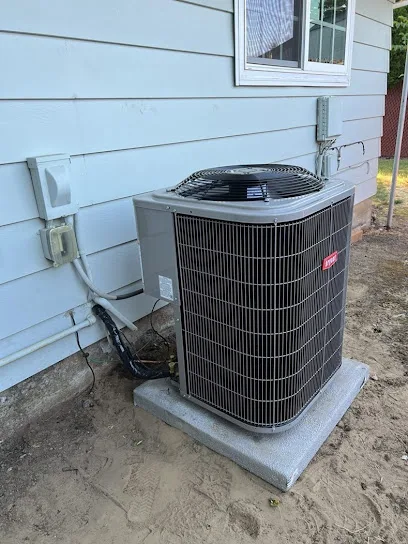 Winter furnace repairs in Brooklyn typically start with a full safety-and-airflow diagnostic to prevent repeat breakdowns.
Repair vs. replacement: how a homeowner should think about the decision
Some furnace failures are straightforward repairs—such as addressing ignition components, cleaning or correcting airflow restrictions, or repairing a control fault. Other situations may indicate deeper performance problems or aging equipment. A technician may recommend replacement when repeated service calls are likely, when safety concerns can’t be corrected affordably, or when overall efficiency and reliability no longer justify continued repair. For more accurate system sizing, many contractors follow accepted load-calculation approaches such as ACCA Manual J when discussing comfort and airflow targets for the home.
Typical pricing drivers and what can change the final cost
Repair pricing varies based on the diagnosis required, parts availability, and labor time for access and testing. Final cost can also change if additional components are found during the inspection—such as venting repairs, ductwork airflow improvements, or related electrical fixes. Getting a clear breakdown helps homeowners evaluate the proposed repair plan. When possible, request the reason for the failure, the part(s) involved, and whether there are any additional issues discovered during the same visit.
What to ask before authorizing a furnace repair
Before approving work, homeowners can protect themselves by asking targeted questions. These help confirm that the repair addresses the root cause, not just a symptom.
- What did the diagnostic testing show? Ask for the specific failure mode and the safety control status.
- Which part(s) are being replaced or adjusted? Request model-level details for the component.
- Will airflow be verified after the repair? A correct fix includes confirmation that the furnace can move heat safely.
- What can be done to prevent repeat breakdowns? For example, filter changes, venting checks, or annual tune-ups.
- Are there any options if the furnace is nearing end-of-life? Discuss whether repair or replacement better fits reliability needs.
Professional furnace service with 24-hour contact when heat can’t wait
When a furnace fails in the middle of winter, speed matters. Top Brooklyn HVAC Repair offers heating repair service with 24-hour availability for urgent calls, helping residents in Brooklyn restore dependable indoor comfort. A well-run service call emphasizes safety checks, airflow verification, and clear recommendations so homeowners can make informed decisions based on diagnosis results rather than guesswork.