Why Brooklyn homeowners should tune up before the heat
In Brooklyn, spring-to-summer weather swings can stress residential cooling systems. A proper AC tune-up is catch early wear on components like the blower, electrical connections, contactor, and refrigerant-side performance indicators. It also helps confirm that the thermostat and airflow settings are operating as intended, so the system can meet demand when outdoor temperatures rise.
Best Brooklyn handles cooling-season readiness with a multi-point service approach safety checks and performance verification. The goal is straightforward: reduce the odds of a mid-season breakdown and improve day-to-day efficiency.
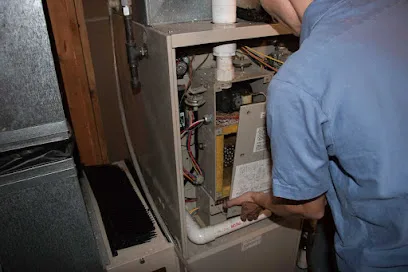 A tuned-up system is more reliable when Brooklyn’s spring weather shifts into full cooling season.
What a real AC tune-up includes (and what it should prove)
A call should go beyond a quick “look and listen.” Technicians typically follow a structured diagnostic flow that verifies electrical stability, proper airflow, and safe refrigerant operation. Homeowners benefit because tune-ups are meant to prevent problems rather than simply respond to them.
- Safety and electrical checks: Inspect and verify power delivery, contactor function, capacitor condition, and airflow-protective controls.
- Airflow verification: Measure indoor airflow patterns to confirm the blower speed and filter condition support safe evaporator performance.
- Refrigerant-side observations: Evaluate signs of abnormal operation using accepted diagnostic methods (not guesswork) to identify leaks, restriction, or charge issues.
- Thermostat and control testing: Confirm setpoints and control behavior match the home’s cooling demands.
For reference, load calculations and system sizing are critical to comfort and efficiency. Guidance such as ACCA’s Manual J helps ensure the equipment selection and expected performance align with the home’s actual heat-gain profile.
Common spring cooling problems Brooklyn technicians find
Even well-maintained systems can develop issues that become obvious only when cooling demand increases. During a spring tune-up, Best Brooklyn technicians typically look for early indicators of these common failures.
- AC not cooling consistently: Can be caused by airflow restrictions, control problems, or developing refrigerant issues.
- Weak airflow or frozen coil risk: Often linked to dirty filters, blocked returns, or blower performance degradation.
- Short cycling: Electrical instability or an airflow problem can cause the system to cycle too frequently.
- Unusual noises at start-up: Loose panels, worn fan components, or failing capacitors may be present before total failure.
- Thermostat mismatch: Incorrect settings, calibration drift, or sensor issues can make the system respond improperly.
Identifying these patterns early usually costs less than emergency repairs later in the season.
Repair vs. replacement: how to decide with your technician
When tune-up findings point to component wear, the next step is selecting the most cost-effective path: repair now or plan for replacement. Replacement does not have to be an emergency decision, but it should be based on measurable factors.
Consider repair when
- The problem appears limited to a specific part (for example, a failing contactor, capacitor, or blower component).
- Efficiency loss is minor and the system’s overall operation remains stable.
- The equipment age and performance indicate it can still deliver reliable cooling with targeted work.
Consider replacement when
- Multiple components show failure indicators.
- Repeated refrigerant or airflow problems suggest a broader system issue.
- Repair costs approach a significant portion of replacement pricing without a clear long-term benefit.
A good technician will explain the findings in plain terms, outline options, and help the homeowner understand the expected outcomes for both paths.
Pricing expectations and what influences the final cost
Cooling tune-up and repair pricing can vary in Brooklyn based on the system type, the number of components requiring attention, and whether any parts need replacement. Homeowners can often get more accurate quotes when they share clear symptoms and access details before the technician arrives.
Typical cost drivers include:
- Diagnostic time: Complex intermittent issues take longer to verify.
- Parts replacement: Capacitors, contactors, blower components, and sensors can affect total cost.
- System accessibility: Some installations require additional time to reach electrical panels or airflow pathways.
- Scope of service: Repairs paired with seasonal maintenance will naturally change pricing versus a limited check.
Best Brooklyn service calls focus on performance verification and transparent findings, so homeowners can make informed decisions.
What to ask before approving a spring AC service
Homeowners don’t need HVAC jargon to get great results. The goal is to ask questions that lead to actionable diagnostics and clear next steps.
- What exact symptoms were found? Request the technician’s observations and what they indicate.
- Is airflow within a healthy operating range? Ask how airflow affects performance and comfort.
- What safety checks were performed? Electrical safety matters for both reliability and protection of equipment.
- Is the thermostat and control logic verified? Confirm that the system responds correctly to setpoints.
- Are there recommendations for next-season prevention? Preventive steps can include filter guidance and scheduling.
- How does this repair improve reliability or efficiency? Aim for measurable benefits, not generic claims.
With a structured tune-up and clear communication, Brooklyn homeowners can approach summer cooling with confidence and fewer surprises.
Note: For efficiency and performance best practices, ENERGY STAR resources emphasize maintaining proper system airflow and addressing issues before they escalate. The exact approach depends on system condition and diagnostic results.