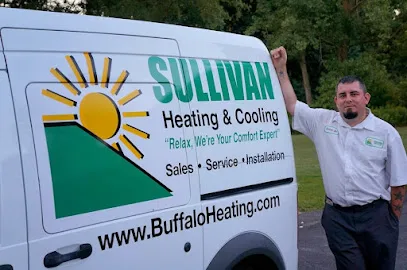
When an air conditioner stops cooling, the first minutes of the service call can determine how quickly the technician can narrow down the cause. Sullivan Heating & Cooling, listed at 3486 Walden Ave, Depew, operates with 24/7 contact-style availability and a direct phone line at +1 716-608-8139. With a publicly shown 5.0 rating from 585 reviewers, the best way to make that availability pay off is to call with clear, symptom-specific details.
This article focuses on the practical information homeowners can provide before a technician arrives—information that helps distinguish common cooling failures, supports more accurate estimates, and reduces the chance of repeat visits.
Start with what you can verify: airflow, thermostat behavior, and outdoor unit activity
Before calling, take 2–3 quick observations. Is the indoor fan running when cooling is selected? Do air vents blow air that feels warm, neutral, or only slightly cool? When cooling is turned on, does the outdoor unit appear to start or stay completely inactive?
These details matter because “not cooling” can come from different categories of issues: airflow problems, thermostat/control mismatches, or refrigerant performance concerns. Even without tools, homeowners can report what the system is doing, not just what it feels like.
Use a simple symptom statement that the technician can act on
A helpful call sounds like this: “The indoor fan runs, the thermostat is set to cool, and the vents are blowing warm air; the outdoor unit starts but cooling output is weak.” That phrasing gives the technician something to test immediately.
 Describing whether the indoor fan and outdoor unit respond when cooling is selected can help an AC technician start with the right tests.
Share the timeline: when the cooling problem started and what changed
Technicians diagnose faster when the story includes a “last known normal” point. Tell the caller when the issue began (for example, after a storm, after a power flicker, or after a filter change). If the system cooled reliably for days and then failed suddenly, it may point toward a different category of failure than a slow loss of performance.
For homeowners calling a Depew-area provider, a timeline can also clarify whether the issue is consistent or intermittent. If it works sometimes, note what conditions seem to trigger it—such as specific times of day, higher indoor temperatures, or certain thermostat schedules.
Confirm what the estimate covers: diagnosis vs. repair scope
One of the most important questions during an AC repair call is what the estimate includes. Homeowners can ask whether the initial visit includes diagnostic testing and how the repair proposal is built after the technician confirms the root cause.
Instead of only asking “How much is it?”, ask what readings or checks support the recommendation. For example, the technician should be able to explain what they observed and how that led to the proposed repair step. That clarity helps homeowners compare options without feeling rushed.
Collect the system basics before the call
If accessible, provide the system’s approximate age and the model/serial label information. Also mention any recent maintenance that might affect performance, such as filter replacement, thermostat changes, or ductwork adjustments. These details can affect which tests are most relevant first.
If cooling is inconsistent, ask about what prevents a repeat failure
Some AC problems aren’t a single hard failure; they show up as weak cooling, short cycling, or “it’s fine for a while” behavior. When that’s the pattern, ask the technician what they will check to prevent the same symptoms from returning within days.
Because contact availability can make it tempting to fix only the immediate discomfort, it helps to ask for a diagnosis plan tied to the pattern you’re seeing. A solid first visit should result in a clear explanation of the likely cause and what will be corrected to restore stable cooling.
When cooling is inconsistent, confirming the diagnostic path can help prevent repeat failures and additional emergency calls.
For urgent contact, make access and safety part of the call
If you’re calling for urgent service, add practical details about access. Make sure walkways are clear to the indoor equipment and the outdoor unit, and note any constraints that could affect testing. If return vents are blocked or storage limits airflow around equipment, mention it up front so the technician can adapt on arrival.
At the end of the conversation, the most useful outcome is a diagnosis you can summarize: the symptom category, what was tested or observed, and what the proposed repair step is designed to address. That’s the information that reduces confusion between calls and makes the next decision—repair or further troubleshooting—much easier.