Why the right HVAC contractor matters in NYC
Heating and cooling systems in New York face harsh temperature swings, long operating seasons, and frequent indoor-air complaints. A contractor’s job is not just to “fix a temperature problem,” but to diagnose airflow, refrigerant, burner performance, duct restrictions, and thermostat operation with a process that matches the actual equipment installed at the property. For 212 HVAC NYC, the focus is on service calls that address heating, air conditioning, and related refrigeration issues across residential and light-commercial settings.
 A thorough diagnostic—starting with airflow and system controls—helps identify whether a repair, tune-up, or replacement is the right next step.
Start with the questions a homeowner should ask on the first call
Before any parts are ordered, a reliable HVAC contractor should explain the likely causes and what measurements will confirm them. A good first conversation usually covers:
- What the system is doing now (no heat, not cooling, short cycling, strange noises, high utility bills, or repeated resets).
- What model equipment is installed (furnace/air handler/heat pump/mini-split model numbers) and the approximate age.
- Whether the thermostat is communicating properly and if wiring or sensor placement could contribute to comfort problems.
- How the contractor will document the diagnosis (test results, airflow readings, temperature measurements, and recommendations).
For winter service, the contractor should also discuss flame/ignition behavior (for gas systems), limit controls, venting, and combustion-air considerations. For summer cooling, the contractor should cover refrigerant, evaporator conditions, condenser performance, and air filtration.
A technician’s diagnostic flow: what should happen during the visit
When a homeowner calls for HVAC service, an organized on-site process prevents guesswork. An effective diagnostic typically includes:
1) Verify the thermostat and system operation
Comfort issues often start with controls. The technician should confirm demand calls, thermostat sensor readings, operating modes, and whether the indoor unit and outdoor unit respond correctly.
2) Check airflow and indoor temperature balance
Dirty filters, blocked registers, duct restrictions, or failing blower components can mimic “equipment failure.” Airflow testing and temperature differences across the system help determine whether the issue is mechanical or simply airflow related.
3) Inspect safety and protection components
Gas heating requires attention to ignition, flame signals, venting, and limit controls. Heat pumps and air conditioners require inspection of electrical components, capacitor/relay function, and safe pressures and temperatures.
4) Identify whether the root cause points to repair vs. replacement
Not every breakdown needs a full system change. A contractor should weigh the repair scope, expected remaining useful life, and whether performance targets can be met with the existing equipment. If ductwork or system sizing is part of the problem, the recommendation should explain those implications clearly.
Repair, tune-up, or replacement: how to match the recommendation to the evidence
Homeowners often hear “replace it” or “just fix it,” but the best recommendation is evidence-based.
- Choose a repair when the system’s critical components can be restored safely and efficiently, and the underlying measurements indicate the problem is localized (for example, a specific electrical component, a refrigerant leak in a defined section, or a failing sensor).
- Choose a tune-up when the system is operating but performance is drifting—reduced airflow, inconsistent temperature control, or seasonal efficiency concerns. Tune-ups also help prevent breakdowns during peak heating and cooling weeks.
- Consider replacement when multiple components are failing, the system repeatedly short cycles, comfort issues persist after correct troubleshooting, or the equipment is no longer capable of meeting expected performance for the property.
For sizing and load calculations, the contractor should reference recognized industry methods. While homeowners don’t need the math, it’s reasonable to ask whether the recommendation aligns with Manual J-style load thinking and real-world airflow/duct considerations. For energy-efficiency goals, ENERGY STAR resources can also help set expectations for properly matched equipment and operating conditions.
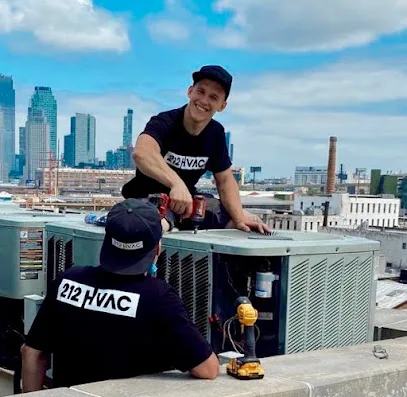 Reliable recommendations consider how the outdoor and indoor sections work together, especially when cooling performance or heating output drops.
What typical HVAC costs include (and what to clarify before signing)
Pricing can vary widely in New York depending on parts, access, labor time, system complexity, and the actual diagnostic findings. Before authorizing work, homeowners should clarify what the estimate includes:
- Labor scope (diagnosis time, parts replacement, calibration, and any return visits).
- Parts and warranty for replaced components.
- Testing after the repair (before/after measurements, operational checks, and confirmation the system is stable).
- Any duct or airflow recommendations if airflow limits are discovered.
- Emergency availability expectations for heating failures, especially in cold weather.
For financing questions, ask whether payment options are available and what documentation is needed. A clear, line-item estimate helps avoid misunderstandings and supports better long-term maintenance decisions.
How to evaluate 212 HVAC NYC for your service needs
A homeowner should compare contractors on process, documentation, and communication—not just the first quote. 212 HVAC NYC serves as a heating and cooling option for New York residents who need responsive service and solutions that address the equipment’s real operating condition.
When scheduling, be ready with the system’s make/model (if available), a short timeline of symptoms, and any past service receipts. That information helps the technician move faster from symptoms to diagnosis, then to a repair or replacement plan that fits the property’s comfort goals.
Service reminder: If a heating system is down during winter or an air conditioner is not operating during peak summer heat, time matters. Choose a contractor that can contact promptly and explains the next steps based on what’s measured during the visit.