Ductless mini-splits and VRF in Queens: why the setup matters
In Queens, ductless mini-split systems and larger VRF (variable refrigerant flow) setups are popular because they can deliver efficient heating and cooling room-by-room. For commercial properties, rooftop units and centralized systems are also common, especially when airflow and controls need to support multiple zones. The challenge is that performance depends on correct sizing, refrigerant piping, electrical requirements, and commissioning—small installation errors can lead to uneven temperatures, premature component wear, or recurring faults.
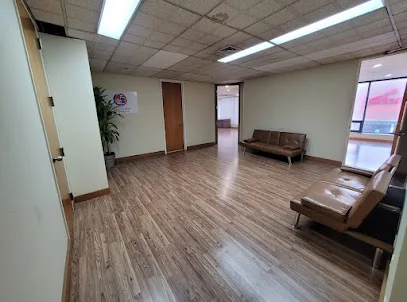 Proper inspection and commissioning are essential for ductless mini-splits and VRF systems to deliver stable comfort.
What a technician should check during a service call
Whether the issue involves an outdoor unit, indoor head(s), refrigerant piping, or rooftop controls, a qualified HVAC technician typically starts with verification—not guesswork. A sound diagnostic process includes checking thermostat/controls operation, airflow problems, condensate drainage, sensor readings, and electrical connections. For ductless and VRF systems, leak checks and refrigerant charge verification are critical because system behavior changes quickly when charge is off.
For rooftop units and other commercial HVAC equipment, technicians also evaluate supply/return airflow balance, filter status, economizer performance (when equipped), and proper operation of safety switches. If the building uses multi-zone control strategies, technicians should verify that zone dampers and control boards are receiving correct signals.
Repair vs. replacement: practical decision factors
Homeowners and property managers often want a straight answer: repair the current equipment or schedule replacement. In Queens, the most reliable recommendation comes from comparing the failure pattern to the overall system condition. Repairs may be the best path when:
- Components are localized (for example, a faulty control board, sensor, or capacitor) and the rest of the system remains stable.
- The system has been maintained with clean coils, proper filters, and correct seasonal start-up.
- Refrigerant and airflow issues are resolved without repeated recurrence.
Replacement becomes more likely when multiple major components are failing, efficiency has dropped significantly, or the equipment is undersized or poorly matched to the building load. For new installations, sizing should follow load calculations such as ACCA Manual J where applicable, and equipment selection should reflect both heating/cooling demand and indoor humidity targets.
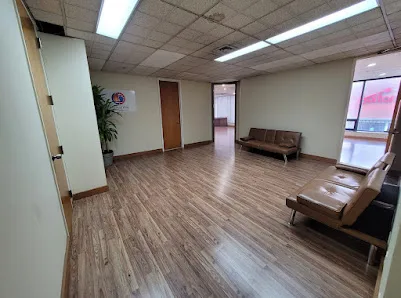 Commercial rooftop repairs often require airflow and control diagnostics, not just a quick reset.
Common symptoms that point to ductless, VRF, or rooftop HVAC problems
Some comfort complaints are classic indicators that speed up diagnosis and reduce downtime:
- Ductless mini-split runs but won’t cool: weak airflow, restricted filters/coil, sensor mismatch, or refrigerant charge issues.
- One indoor head stays warm: balance problem, incorrect zone control response, or airflow restriction.
- VRF system faults recur: possible leak, electrical component wear, or communication/control board errors.
- Rooftop unit cycles on/off quickly: airflow restriction, improper thermostat signals, or safety switch triggers.
- Increased humidity or condensation: coil performance, airflow balance, or condensate drainage concerns.
Documenting when symptoms start (morning vs. evening, after a power event, during extreme humidity) helps technicians narrow down causes and choose the correct test sequence.
Pricing expectations and what to ask before approving the work
Pricing varies based on parts availability, the scope of labor, access challenges, and whether the repair involves refrigerant recovery, electrical work, or control board replacement. For budgeting, property managers should request a written breakdown that covers:
- Problem diagnosis findings (what failed and what tests confirmed it).
- Parts list and warranty coverage for replaced components.
- Refrigerant handling steps (recovery/evacuation/leak testing/charge verification, when applicable).
- Estimated labor time and any required scheduling for rooftop equipment or multi-zone systems.
- Expected performance after completion, including a brief commissioning walkthrough.
For ductless and VRF systems, ask whether the technician will verify proper operation across all active zones, because zoning problems can look like “cooling issues” even when refrigerant and indoor fan operation are correct.
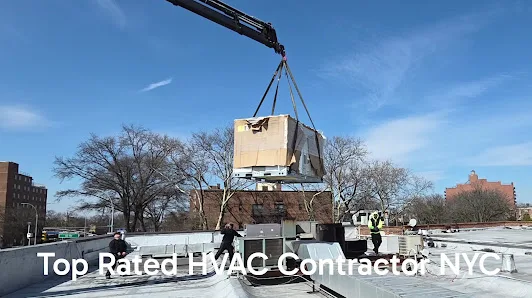 Effective repair plans rely on readings and verification, especially for ductless mini-splits and VRF systems.
Why choosing the right installation approach reduces repeat service calls
A well-designed HVAC system for Queens buildings accounts for building envelope characteristics, occupancy patterns, and whether spaces need independent temperature control. Ductless mini-splits can be a strong fit for renovations and mixed-use setups, while VRF systems support multiple zones with a coordinated refrigerant strategy. For commercial properties that depend on rooftop equipment, correct ductwork design, airflow distribution, and control configuration help maintain comfort and reduce cycling.
When repairs or installations are planned around verified load and correct commissioning, the result is not just short-term cooling or heating—it’s more predictable operation and fewer repeat sends during peak seasons.
Service coverage note for Queens and NYC
American HVAC Corp serves Queens and the broader NYC area, supporting ductless mini-splits, VRF systems, and commercial HVAC rooftop equipment. For urgent comfort failures, round-the-clock availability reduce downtime for homes and businesses that cannot wait through off-peak hours.
Contact: 47-00 Northern Blvd #22, Long Island City, NY 11101, United States. Phone: (347) 862-9594.