Why HVAC repair planning matters in New York homes
When an air conditioner stops cooling or a furnace fails to start, the immediate goal is comfort and safety. In New York, failures often show up quickly with seasonal temperature swings, clogged filters, refrigerant issues, or electrical problems. A reliable HVAC repair contact should arrive with a clear diagnostic process, explain what failed, and outline repair vs. replacement options with realistic timelines.
Before scheduling service, homeowners can prepare basic details: thermostat model, when the problem started, error codes, and whether the unit is making unusual noises. This helps the technician focus on the most likely causes during the first visit.
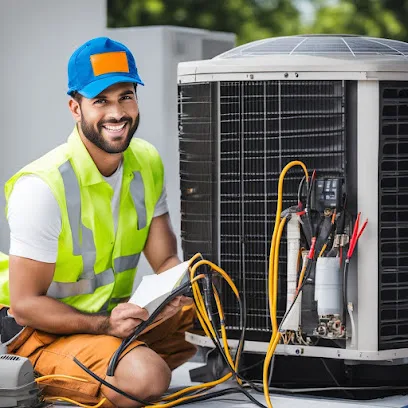 A structured service call starts with careful inspection and system checks to identify why cooling or heating has failed.
What an HVAC repair contact typically checks on the first visit
A competent technician generally begins with verification of the thermostat and controls, then moves to electrical and mechanical checks. For cooling problems, this often includes checking power supply voltage, capacitor condition, indoor blower operation, and whether the outdoor unit is running. For heating issues, checks may focus on ignition sequence, safety controls, airflow, and gas or electrical components as applicable.
Beyond “does it run,” the inspection should confirm airflow and temperature performance. For many systems, low airflow can mimic compressor or heat exchanger failures by causing overheating or inefficient heat transfer.
Common diagnostic steps a homeowner should expect include:
- Visual inspection of the indoor and outdoor components
- Thermostat calibration and wiring verification
- Electrical testing (contactors, capacitors, breakers, and protective devices)
- Refrigerant/charge evaluation when symptoms point to cooling capacity loss
- Basic system performance checks (airflow, temperature differential, and run cycle behavior)
Common AC and furnace failures—and how they are usually handled
AC not cooling or weak cooling
When an AC runs but does not cool, the root cause can be airflow restriction, failed capacitor/starting components, a malfunctioning contactor, or a refrigerant problem. Technicians often verify airflow first because an evaporator coil that cannot receive proper air circulation may freeze or struggle to transfer heat effectively.
If the issue appears refrigerant-related, repair should be supported by a leak assessment and proper testing rather than guessing. If a compressor is failing, replacement may be the more practical option because repeated repairs can become less cost-effective.
Furnace won’t start
Heating problems frequently come down to safety control interruptions, ignition failures, thermostat communication errors, or blower issues. A technician should check the sequence of operation so it is clear whether the system fails at ignition, airflow proving, or a later stage.
If the furnace short-cycles or refuses to ignite, the service report should indicate what condition triggered shutdown and what parts were tested or replaced.
Repair vs. replacement: a practical way to decide
Not every breakdown requires replacement, but neither should repair be approved blindly. A strong HVAC repair visit should compare costs against the remaining service life of the equipment. Homeowners can evaluate decisions using three angles: safety, performance, and total cost over time.
Technicians commonly recommend replacement when:
- Multiple major components fail within a short period
- Airflow or heat transfer issues repeatedly return after repairs
- The system’s efficiency is severely degraded and energy costs are likely to rise
- Repair would require extensive disassembly with limited expected longevity
For air conditioning in particular, if repairs point to widespread problems (for example, recurring refrigerant loss or compressor failure), replacement can offer better long-term reliability. For furnaces, ignition and safety control issues paired with declining efficiency may justify moving to a newer system.
Pricing expectations and how homeowners can reduce surprises
Repair pricing varies by issue severity, parts availability, and whether troubleshooting is simple or requires extended diagnostic time. To avoid unexpected costs, homeowners should request a clear estimate breakdown: what is being repaired, the part(s) included, labor scope, and any return-visit conditions.
Helpful questions to ask during the visit:
- What specific component failed, and what evidence supports the diagnosis?
- Is the recommended action a repair or part replacement—and what is the expected lifespan?
- Are there any additional symptoms that could affect performance soon?
- What warranties apply to parts and labor?
- If replacement is suggested, what efficiency level and projected comfort improvements justify the upgrade?
For energy performance decisions, homeowners can also ask how the system will be sized. If a replacement is considered, referencing ACCA Manual J load calculations can support accurate sizing for ductwork and insulation conditions.
HVAC repair checklist: what to have ready before the technician arrives
Good outcomes start with good information. A homeowner can prepare:
- Thermostat settings and any recent changes
- Error codes or display messages (photo is fine)
- When the problem started and whether it happens consistently
- Any recent service work, filter changes, or unusual noises
- Access to the indoor unit, outdoor condenser, and electrical disconnect if applicable
Being ready helps the technician move faster through diagnostics and focus on the most likely causes, whether the call involves an AC not cooling, a furnace that won’t start, or a system needing maintenance.
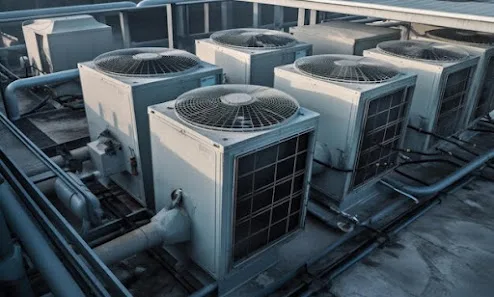 A clear explanation of the detected issue helps homeowners choose between repair and replacement with confidence.
How to choose an HVAC contractor for repair calls
HVAC repair quality depends on both technical skill and communication. Homeowners should look for a service provider that documents what was tested, explains findings in plain language, and offers next steps that match the home’s needs.
For urgent breakdowns, prompt contact matters. For scheduled tune-ups, regular inspection helps catch early warning signs before they turn into full system failures.
For this HVAC repair contractor in New York, service requests are handled through direct contact by phone and through the official website for scheduling information.