When HVAC goes down on Long Island: what to do first
Heating and cooling failures can escalate quickly, especially during winter cold snaps or summer humidity. Before a technician arrives, homeowners can reduce risk by checking the basics: the thermostat’s mode (heat or cool), the air filter condition, and whether a breaker tripped. For no-heat or no-cool complaints, it also helps to note when the problem started (suddenly versus gradual loss of performance) and whether the system cycles on and off or stops completely.
NY Boiler & Air Conditioning Repair | HVAC PAPI supports urgent repair calls and works to restore safe, efficient operation. Knowing what to look for can make the first 10 minutes of diagnosis more productive.
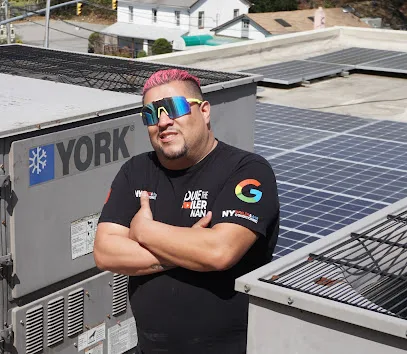 Documenting symptoms and checking the thermostat and breakers helps technicians narrow down the cause faster.
How a licensed HVAC technician diagnoses no-heat and no-cool
A professional diagnostic sequence typically covers airflow and controls, electrical safety, and system performance. For AC that is not cooling, technicians confirm indoor airflow (fan speed and blower operation), evaluate the thermostat’s signal, and inspect for restricted filters or blocked vents. For boilers or furnaces that won’t start, troubleshooting often includes ignition or control-board checks, pressure or rollout safety devices, and verification of proper combustion conditions.
Technicians also confirm refrigerant-related symptoms where applicable. If there is evidence of a refrigerant leak, the system may show warm air at the vents, frosting on coils, or repeated short cycling. The repair approach depends on the root cause, not just the symptom.
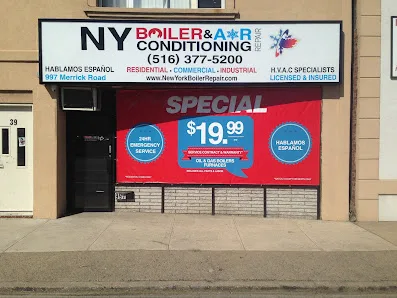 Diagnosis is more than swapping parts—controls, electrical inputs, and airflow all get verified before major repairs.
Common Long Island repair problems homeowners notice
Most emergency service calls fall into a handful of categories. For air conditioning, the most frequent issues include:
- AC not cooling: often related to airflow restrictions, thermostat or control faults, compressor start failures, or refrigerant loss.
- Refrigerant leak symptoms: reduced cooling capacity, uneven temperatures, and coil icing.
- Heat pump tune-up needs: airflow and defrost performance affect comfort in shoulder seasons.
For heating systems, homeowners often report:
- Furnace won’t start: ignition failure, safety switch trips, or control-board problems.
- Thermostat replacement: incorrect signals, wiring issues, or inconsistent operation causing short cycling.
- Boiler performance drops: operational faults, pressure concerns, or burner-related issues.
Even when a symptom seems obvious, the safest approach is to confirm the actual failure mode through measurement and inspection.
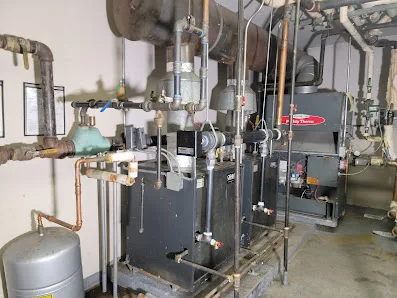 Technicians typically verify airflow, electrical operation, and system performance before choosing between repair and replacement.
Repair vs. replacement: what homeowners should consider
When a breakdown happens, the decision between repairing and replacing often depends on the type of failure, expected remaining service life, and how the system performs under load. During diagnosis, a technician may evaluate:
- Repeat failures or repeated parts: if the same component fails again, replacement may be more cost-effective.
- Efficiency and performance: persistent underperformance can increase utility costs and reduce comfort.
- System condition: corrosion, chronic airflow problems, and control instability can shorten service life.
- Whether sizing matches the home: correct sizing affects run times and comfort. HVAC load calculations guide the right next step.
For homes that need upgrades, contractors often use load guidance such as ACCA Manual J and consider ENERGY STAR recommendations for efficiency and comfort goals.
What to ask during the service call (so you understand the quote)
Before signing off on work, homeowners can ask clear, technical questions that protect both comfort and budget. A helpful checklist includes:
- What was the root cause, not just the symptom?
- Was airflow and combustion/controls performance verified with measurements?
- Are there additional issues likely to surface soon (related wear, upcoming failure points)?
- Is the recommendation based on repair durability or on system efficiency goals?
- What is the warranty coverage for parts and labor?
- What steps should be taken to prevent recurrence between seasons?
For emergency situations, asking how long the repair should take and what the next inspection step will be can reduce downtime and uncertainty.
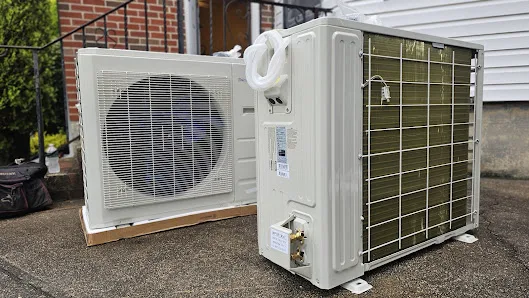 Understanding the diagnostic findings and the next prevention steps helps homeowners avoid repeated breakdowns.
Why 24/7 contact matters during winter cold or summer humidity
HVAC failures rarely happen at convenient times. Open contact schedules can be critical for protecting indoor temperatures, preventing secondary damage, and restoring safe operation. When the heat or cooling system stops functioning, an urgent service call can prevent comfort loss and reduce the chance of extended downtime.
NY Boiler & Air Conditioning Repair | HVAC PAPI serves Long Island, NY, and is positioned to respond to urgent heating and air-conditioning repair needs.
Service note: Keep the thermostat model and any recent changes (new thermostat, recent power outage, filter replacement date) available when calling so the technician can verify the likely failure pathway faster.