Why HVAC issues show up in Long Island City neighborhoods
Homes and small commercial spaces in Long Island City, NY often run into HVAC problems when seasonal demand changes quickly—hot, humid stretches for cooling and colder snaps for heating. Older systems may struggle with airflow restrictions, duct leaks, or worn components, while rentals can face repeated thermostat adjustments, filter neglect, and inconsistent humidity control. A professional HVAC service call typically starts by identifying the failure mode (airflow, refrigeration, combustion, or controls) and confirming whether the issue is fixable or whether system replacement is the more cost-effective path.
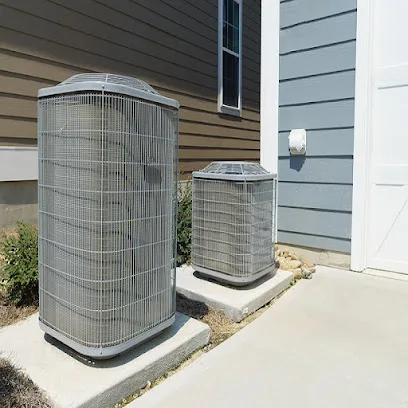 Choosing the right HVAC service begins with a clear diagnosis—this guide outlines what a technician checks in Long Island City homes and rentals.
Step-by-step: what a technician should check on a service call
Whether the complaint is “AC not cooling,” “furnace won’t start,” short cycling, or an unexpected rise in energy bills, technicians generally follow a repeatable diagnostic flow. That flow helps prevent unnecessary part swapping and improves the odds of a durable repair.
- System verification: confirm equipment model/age, confirm thermostat wiring/setting accuracy, and check for safety lockouts.
- Airflow assessment: inspect and measure supply/return airflow, evaluate dirty filters, and check whether dampers and registers are obstructed.
- Heat/cool performance checks: for cooling, confirm refrigerant circuit behavior and verify superheat/subcooling targets using appropriate measurements; for heating, review combustion performance and venting/safety conditions.
- Controls and sensors: test thermostat operation, temperature and pressure sensors, and contactors/relays that influence staging and safeties.
- Leak and airflow losses: evaluate for duct leakage and refrigerant leaks where applicable; address airflow before escalating into replacement recommendations.
Repair vs. replacement: when each option usually makes sense
It is common for homeowners to see quotes that vary widely, especially when equipment age is involved. A reliable HVAC decision is usually based on both condition and expected performance after repairs—not just the cost of one component.
- Repair is often the right call when the system is relatively new, the failure is isolated (for example, a specific capacitor or control failure), and the technician can restore airflow and performance to manufacturer specifications.
- Replacement may be the better value when multiple components are failing, the heat exchanger or compressor has major issues, efficiency is far below expectations, or the system repeatedly short cycles due to sizing/duct problems.
- Airflow and sizing matter: even a “fixed” system can perform poorly if the duct system or load calculation is wrong. Many technicians reference ACCA Manual J principles when confirming load and sizing assumptions.
What to ask before approving work in Long Island City
Before authorizing repairs or scheduling installation, a homeowner or property manager can protect themselves with a few targeted questions. Clear answers also make it easier to compare proposals from different contractors.
- What was the root cause, not just the symptom?
- Were measurements taken (airflow, temperature difference, refrigerant performance where applicable, safety checks)?
- Is the system performing within manufacturer targets after service?
- What parts are recommended, and why are they the correct fix?
- Does the quote include testing/verification after repairs, not only the part replacement?
- If replacement is recommended, will a technician explain sizing and efficiency considerations (including Manual J-style load thinking) and how that affects comfort and operating cost?
Pricing expectations and how to avoid surprises
Costs vary depending on parts, labor complexity, and whether the issue is accessible. In Long Island City, common service calls may include diagnostics plus repair labor for thermostats, blower issues, refrigerant service, or heating safety-related components. More involved work—like replacing a major coil, furnace components, or performing duct-related corrections—typically requires a broader scope and longer time on site.
To avoid surprises, ask for a written explanation of what is included, what is excluded, and how the technician will confirm that the system is operating correctly once work is complete. A strong contractor will also explain any warranty coverage tied to parts and workmanship.
Emergency comfort: how to respond when the system stops mid-season
When heating or cooling stops unexpectedly, the safest approach is to treat it as an urgent service call. Start with quick checks that do not require tools—verify power at the disconnect, confirm the thermostat is calling for heat/cool, and replace a clearly clogged filter if it is accessible. If the system still will not start, a licensed HVAC contractor can perform the appropriate safety tests and component checks.
For property managers, emergency preparation should include identifying building shutoff locations, keeping thermostat instructions handy, and ensuring tenants know how to report symptoms (no airflow, unusual smells, short cycling, or lack of temperature rise/fall). Faster, accurate reporting improves diagnosis and reduces downtime.
Long Island City HVAC summary: get a diagnosis you can trust
In Long Island City, choosing HVAC service is less about the marketing and more about the diagnosis: the technician should evaluate airflow, controls, and performance, then recommend repair or replacement based on measurable results. Homeowners and landlords who ask targeted questions—root cause, measurements, post-service verification, and sizing logic—are more likely to get a fix that lasts through the next seasonal swing.