Why HVAC failures happen on Long Island
On Long Island, HVAC problems often show up fast because the season swings between humid summers and cold snaps. When an air conditioner stops cooling, a furnace won’t start, or a heat pump runs without delivering heat, the cause can range from a simple control issue to a refrigerant or airflow problem. Long Island HVAC repair providers typically treat these calls as troubleshooting first: confirm the symptom, measure system performance, and only then recommend repair versus replacement.
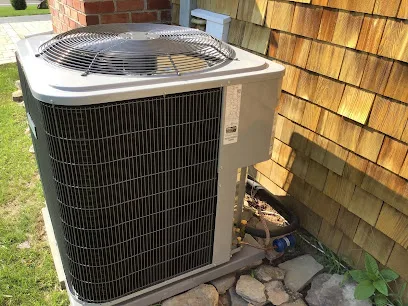 Reliable diagnostics help narrow down whether the issue is airflow, controls, or refrigeration components.
Emergency vs. non-emergency: what to do first
Not every “no comfort” situation is an emergency, but some conditions need quick action—especially when indoor temperatures become unsafe. A good repair visit starts with safety and basic checks: confirm power at the unit and indoor switch, verify the thermostat setting and mode, and look for obvious signs like tripped breakers, error codes, or clogged intake/return paths.
Before technicians arrive, homeowners can speed up troubleshooting by noting when the problem began, what changed recently (thermostat settings, breaker trips, storms), and whether the system runs but won’t move air. If the home has a furnace and the issue is a no-start condition, record any ignition attempts and whether there are flashing lights or specific fault codes.
AC not cooling: the most common Long Island causes
When an AC unit runs but does not cool, repair teams often focus on three categories: airflow, electrical/control signals, and refrigerant-related issues. Restricted airflow can be caused by a dirty filter, a blocked return, or a blower problem. Electrical or control issues may include a thermostat malfunction, a faulty sensor, or contactor problems.
For refrigerant leaks, the key point is that low refrigerant can reduce cooling performance and may lead to component stress. Professional technicians typically verify operating conditions and may use pressure and temperature measurements to confirm what is happening before adding refrigerant. Repairs that only “top off” refrigerant without finding the underlying leak are less reliable over time.
Furnace won’t start: a diagnostic flow a homeowner can understand
A furnace that won’t start usually involves a communication or control step getting interrupted somewhere along the chain. Technicians commonly verify thermostat calls, safety switches, ignition sequence, and the status of key components that prevent unsafe operation. The goal is to identify the exact failure point rather than replacing parts randomly.
Homeowners by describing whether the furnace attempts to ignite or stays completely silent. If the system cycles briefly and shuts down, that pattern can indicate a safety or sensor condition. If the furnace makes no sound at all, the initial checks often focus on power delivery and control signals. After diagnosis, repair recommendations should include what was found, what will be changed, and what outcome is expected.
Thermostat replacement and temperature accuracy
Thermostats are the “brain” of the system, and when they malfunction, comfort complaints can look like mechanical failures. For example, a thermostat that misreads temperature, loses calibration, or has wiring issues can cause the system to run when it shouldn’t—or stop too early.
When thermostat replacement is recommended, a responsible service call explains compatibility (heat pump vs. conventional furnace, single-stage vs. multi-stage systems), correct settings, and how the technician will confirm proper operation after installation. Homeowners should ask whether the new thermostat will improve temperature accuracy and whether any wiring repairs are needed.
Refrigerant leak repair vs. replacement decisions
Refrigerant issues can be urgent because they can affect cooling capacity and may create operational strain. Technicians typically aim to locate the leak, evaluate system performance, and determine whether repair is the best option. In many cases, fixing the leak and correcting the system condition restores performance, but sometimes the overall system condition influences the long-term recommendation.
Before approving work, homeowners should request a clear explanation of what is being repaired and why it will solve the symptoms. If the system is older or has repeated issues, discussing replacement can be appropriate. A good repair conversation compares repair costs to likely remaining lifespan and the benefits of improved efficiency.
What to ask before approving HVAC repair work
High- calls do more than swap parts—they document findings. Homeowners should ask for answers in plain language:
- What exact issue was found during diagnosis?
- Which parts will be replaced or repaired, and what symptoms should improve after the work?
- Is the pricing for labor and parts clearly itemized?
- What warranty covers the work and any replaced components?
- If the issue relates to refrigerant, will the service include leak detection and verification—not just refrigerant addition?
For Long Island households, prompt service and thorough diagnostics can reduce repeat failures during the same season. Keeping notes on what was done, what changed, and when the problem returned helps the next visit go faster.
How to prevent repeat problems
Seasonal tune-ups and simple maintenance habits reduce the odds of repeat failures. Homeowners can replace filters on schedule, ensure returns and registers are clear, and keep outdoor units free of heavy debris. During high-demand weeks—like the hottest summer afternoons—good airflow and clean components can make a measurable difference.
When comfort drops suddenly, it is usually better to address the issue early rather than waiting for “it to get worse.” Early repair can prevent minor control or airflow problems from escalating into refrigerant or component failures.