Why a heat pump service visit matters in Queens
Heat pumps in the Ridgewood–Queens area work hard through humid summers and cold winter nights. Over time, airflow restrictions, worn electrical components, and improper refrigerant charge can reduce comfort and increase run times. During a service call, a technician evaluates the system as a whole—compressor operation, indoor airflow, outdoor unit function, and controls—so the repair matches the actual cause.
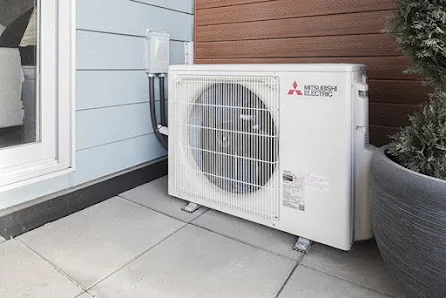 Tudor HVAC Mechanical, INC system-level diagnostics before recommending a repair.
Step-by-step diagnostics a technician typically performs
A well-run heat pump service call starts with verification, not guessing. Technicians usually begin by reviewing symptoms (not cooling, not heating, short cycling, unusual noise, or comfort problems in specific rooms). Then they check the electrical and operating conditions that commonly affect performance.
- Thermostat and control check: Confirm the thermostat is calling for heat or cooling correctly and that the system is responding as intended.
- Indoor airflow measurements: Verify blower operation, filter condition, and temperature splits to ensure the indoor coil is moving air properly.
- Outdoor unit inspection: Check for airflow obstruction, fan operation, and proper defrost behavior during colder conditions.
- Refrigerant safety and charging verification: Use EPA 608-compliant procedures for leak detection and charging checks where applicable.
- Electrical components: Inspect contactors, capacitors, and key wiring connections for wear, heat damage, or loose terminals.
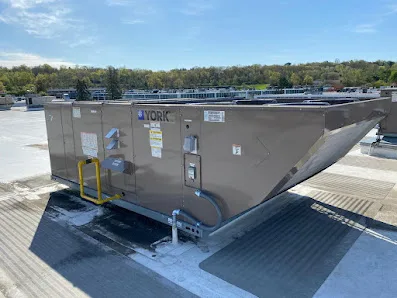 Outdoor diagnostics help confirm fan, defrost, and airflow conditions that affect seasonal performance.
Common problems and what repairs usually address
Queens homeowners often notice comfort issues that point to more than one underlying cause. A technician typically matches observed conditions to likely failure points so the system is repaired at the root level.
- Heat pump not heating: Could involve reversing valve performance, defrost cycle errors, low airflow across coils, or electrical faults.
- Heat pump not cooling: Often connected to airflow restriction, capacitor/contact issues, or refrigerant-charge problems (after leak checks).
- Short cycling: May indicate airflow imbalance, sensor/control issues, or protection trips caused by electrical instability.
- Refrigerant-related symptoms: If a system shows signs of low charge, technicians focus on leak detection and safe recharging practices.
- Strange noises or vibration: Frequently tied to fan operation, mounting stability, or electrical component wear.
Repair vs. replacement: how to decide during the service call
A practical service visit should include a clear recommendation. Technicians often explain whether a repair restores normal operation and efficiency, or whether replacement is the safer long-term option—especially when multiple components are near end of life or repeated service calls are required.
When evaluating repair vs. replacement, homeowners can ask for:
- A diagnosis summary: What conditions were measured, and what failed during testing.
- Cost and timing: Repair estimate and expected impact on comfort.
- System efficiency expectations: How the fix is expected to affect run time and temperature delivery.
- Airflow and load match: If the system is undersized or has duct/airflow constraints, comfort problems can return.
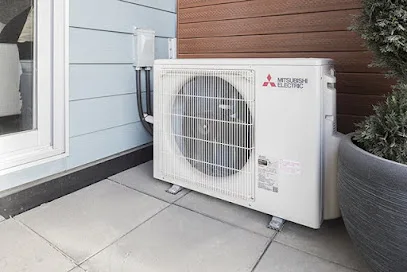 Careful system evaluation helps Queens residents avoid repeat issues and choose the right long-term solution.
What to ask before authorizing a heat pump service
Homeowners can speed up accurate repairs by asking a few targeted questions. Tudor HVAC Mechanical, INC helps customers understand the problem before work begins, including pricing structure and next steps if parts are required.
- What exact measurements were taken (temperatures, airflow, or operating parameters)?
- Is the issue likely a safety/electrical fault, an airflow problem, or a refrigerant concern?
- What symptoms will improve after the repair, and what might still require monitoring?
- If parts are needed, what is the estimated timeline for sourcing and completion?
- Does the recommendation address both performance and system protection to reduce repeat trips?
For proper sizing and load assumptions, technicians may reference industry guidance such as ACCA Manual J when discussing comfort performance and heat loss/heat gain context.
Seasonal tips to reduce service needs
- Replace or inspect filters regularly to keep airflow stable.
- Keep outdoor units free of debris and ensure adequate clearances.
- Watch for early warning signs such as sudden changes in temperature delivery, increased noise, or frequent cycling.
- Schedule tune-ups before peak season so electrical and airflow issues are found early.
Contact Tudor HVAC Mechanical, INC for a diagnosis in Queens
Tudor HVAC Mechanical, INC supports residential and light-commercial HVAC needs across Queens with heat pump service, troubleshooting, and repair guidance. When comfort problems show up, a structured diagnostic approach helps narrow the cause quickly and leads to a more confident repair plan.
Service contact: (347) 876-3333