Why an AC repair call can go long in Queens winters and humid summers
Air conditioners in Queens (Long Island City and nearby neighborhoods) often struggle when humidity climbs, when air filters clog, or when refrigerant pressures drift over time. A call starts with a methodical diagnosis: confirming thermostat operation, checking airflow, inspecting indoor and outdoor components, and verifying system pressures and temperatures. That prevents paying for parts that do not solve the root issue.
 Major Air’s contact process diagnosing the underlying AC problem before replacement parts are recommended.
Question 1: What exactly are you measuring during the first 20 minutes?
Before work begins, ask the technician what tests will be completed. A practical checklist includes checking thermostat wiring and operation, inspecting the indoor blower and air path for obstruction, and confirming filter condition. For cooling complaints, the tech should typically verify indoor airflow across the evaporator coil, then measure refrigerant-related readings (like suction and system pressures) along with temperature splits. Clear measurement notes are a good sign because they connect symptoms to a repair plan.
Question 2: Is this an airflow problem, a refrigerant problem, or an electrical control issue?
Many “AC not cooling” calls come down to airflow restriction, improper fan operation, or a refrigerant imbalance caused by leaks or other failures. Electrical controls can also create misleading symptoms, such as a system that runs but does not properly regulate temperature. Ask the technician to explain which category the issue most likely falls into and what evidence supports that conclusion. If the diagnosis is uncertain, ask what additional checks will narrow it down.
Question 3: Can you show why the thermostat setting is not matching system performance?
Temperature mismatch complaints are common. A technician should confirm the thermostat is reading correctly, then compare the target temperature and the actual supply-air behavior. If the system runs “all the time” or cycles oddly, the conversation should include thermostat programming, sensor calibration, and control behavior. When a technician can clearly connect thermostat behavior to measured outcomes, homeowners can make decisions with less guesswork.
Question 4: What parts are actually recommended, and what failed first?
Repair quotes are easier to compare when they include the “why,” not only the “what.” Ask for an itemized list of proposed parts and the failure pathway behind each component. For example, if a technician suggests coil cleaning versus a compressor-related repair, the explanation should reference observed conditions such as airflow restriction, abnormal temperatures, or damage patterns. If the recommendation includes a capacitor, contactor, or control component, ask what test points show the fault.
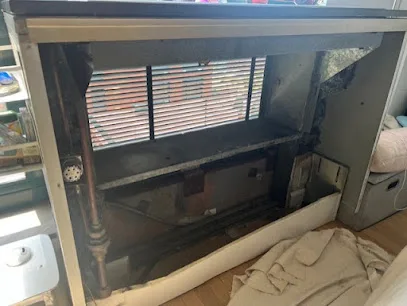 At service locations across Queens, technicians typically begin by verifying performance readings and airflow before recommending specific parts.
Question 5: Will you check for refrigerant leaks and document the results?
Refrigerant repairs should not be based on assumptions. Ask whether the technician will test for leaks, document findings, and confirm that any recharge aligns with the measured system behavior. If a leak is suspected, the most important goal is not only restoring charge, but identifying and repairing the source so the problem does not return quickly. This is especially relevant for repeated “short cycling” or cooling that fades after a brief period.
Question 6: How do you decide between repair and replacement?
A repair recommendation should include context: the system’s age, the pattern of faults, expected remaining lifespan, and whether the repair addresses the underlying issue. For replacement decisions, the conversation should connect to performance improvements and operating efficiency, not just the parts cost. If the system is borderline and the diagnosis points to multiple failing components, ask how the current repair plan compares with a properly sized and efficient replacement.
Question 7: What should the homeowner do immediately after completion?
Ask what “normal operation” should look like after service. The technician should be able to describe expected fan behavior, airflow feel at supply registers, and how cycling should change compared with pre-service symptoms. Request advice on basic maintenance steps that reduce the chance of repeat breakdowns, such as filter intervals and keeping the outdoor unit clear of airflow blockages. Clear post-completion expectations help avoid confusion if symptoms take time to stabilize.
Question 8: What warranty details and documentation will you provide?
Before signing, ask for documentation of completed work and what warranty applies to parts and labor. Major Air Service Corporation can be reached directly for contact and service scheduling in Queens, NY at (718) 592-5100. When warranty terms and the scope of work are written clearly, homeowners can feel confident that repairs are backed by accountability.
Quick pricing context to expect from an AC repair in the NYC area
Pricing varies widely depending on diagnosis complexity, parts availability, and whether the system requires refrigerant service or electrical component replacement. Homeowners can reduce surprises by asking for both an estimated cost range and a “stop point” plan: which results would trigger a revised quote (for example, discovery of an additional failed control or a leak that requires more time). A transparent pricing discussion aligns expectations with real-world diagnostic needs.
Bottom line: prepare questions, then compare repair logic, not just price
When an AC stops cooling, the fastest path to a comfortable home is a diagnosis built on measurements and a repair plan tied to observed evidence. By asking the eight questions above, homeowners in Queens can better evaluate whether the proposed work resolves the true cause, supports a long-lasting fix, and includes clear documentation. For service requests and help comparing options, Major Air Service Corporation is available by phone and through its official website.