 HomeServe of Brooklyn-Queens getting the right help contact quickly for heating and cooling breakdowns across Queens.
24-hour HVAC service in Queens when the system stops
When a furnace won’t start, an air conditioner won’t cool, or a heat pump stops responding, the priority is getting the system safely diagnosed and restoring temperature control. HomeServe of Brooklyn-Queens serves Queens, NY with heating and cooling repair contact, including emergency availability. The goal of a good first service call is to separate simple setup issues from equipment failures, then recommend the most cost-effective repair path.
HomeServe’s support is built around fast response and clear troubleshooting—especially during cold snaps in winter and peak cooling periods in summer.
What to do before the technician arrives
A few checks the contact team narrow down the likely problem and speed up the on-site diagnosis.
- Verify thermostat operation: confirm the mode (heat/cool), fan setting, and that the display is powered. If the system uses batteries, replace them and retest.
- Check power and breakers: look for tripped breakers near the indoor equipment or outdoor unit. A tripped switch can mimic a “dead” system.
- Inspect for obvious airflow blockages: ensure supply registers aren’t fully closed and that return grilles aren’t blocked by furniture.
- Listen and note symptoms: record whether there’s a humming sound, a short cycling pattern, grinding, or a complete lack of response.
If there are signs of refrigerant issues—such as repeated icing on cooling equipment, strong chemical odors, or visible leaks—keep the system off and prioritize safety until the technician evaluates it.
How a licensed technician diagnoses common breakdowns
A call typically follows a structured diagnostic flow rather than swapping parts at random. For heating and cooling problems in Queens, this usually includes:
- Electrical and control testing: verifying thermostat signals, contactor operation, sequence-of-operation faults, and safety switch status.
- Combustion or airflow checks (as applicable): for furnaces, checking ignition, venting, and airflow performance; for cooling equipment, checking airflow, outdoor fan function, and temperature rise/drop.
- Refrigerant and leak evaluation: where cooling performance is weak or systems frost up, evaluating for abnormal pressure readings and searching for leak sources.
- Heat pump evaluation: confirming whether the heat mode reversing valve and defrost operation behave correctly under real outdoor conditions.
By documenting test results, a technician can explain whether the system needs a repair, a tune-up, or replacement planning—helpful for budgeting before the next temperature swing.
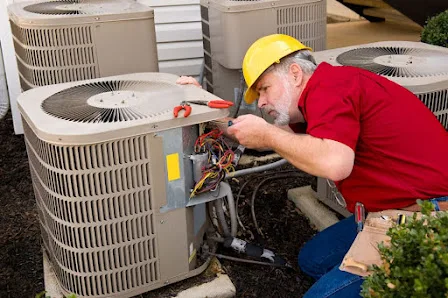 On-site troubleshooting controls, airflow, and system safeties to pinpoint whether repairs will restore reliable heating or cooling.
Repair vs. replacement: when it makes sense to stay with the unit
Many HVAC problems are repairable—especially when they are caused by worn components, dirty filters affecting airflow, faulty sensors, or electrical control failures. However, homeowners and property managers often benefit from understanding how technicians weigh repair versus replacement.
In general, repair is often the most practical choice when:
- The issue is limited to a specific failing component (for example, a sensor, capacitor, or contactor), and overall system health is otherwise solid.
- The equipment can still deliver acceptable comfort after the fix, with airflow and temperatures returning to normal ranges.
- The cost of repair is proportionate to the expected remaining service life.
Replacement planning becomes more important when there are repeated failures, major efficiency losses, or system-level issues that would require multiple costly repairs to function reliably through the season.
What a fair quote should include
A clear quote helps prevent surprises and ensures the solution matches the problem. During the service call, ask for:
- Findings: what tests were performed and what those results indicate.
- Recommended option: repair steps (or replacement planning) explained in plain language.
- Parts and labor breakdown: what components are being replaced and why.
- Timing expectations: whether the repair is same-day or requires additional parts.
HomeServe’s contact approach is keep calls efficient so technicians can concentrate on accurate diagnosis instead of guesswork.
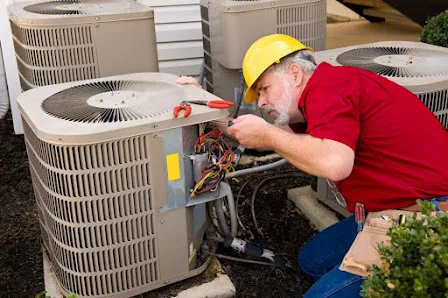 Seasonal tune-up planning can reduce the risk of breakdowns during Queens’ temperature extremes.
Seasonal prevention: reduce emergency calls before they happen
Queens weather swings can stress HVAC systems, especially when equipment has not been serviced. A preventive maintenance schedule can reduce the likelihood of failure and improve comfort consistency.
Typical seasonal tune-up priorities include:
- Replacing or verifying correct filter sizing and condition.
- Checking airflow and cleaning accessible components.
- Testing ignition and combustion safety steps for furnaces where applicable.
- Inspecting electrical components and measuring operating conditions under real load.
- Reviewing signs of refrigerant problems, such as icing or recurring performance drops.
For heat pump homes, additional attention to defrost operation and performance under colder outdoor conditions avoid “no heat” complaints during sudden temperature shifts.
Key questions to ask during your contact
To get the best outcome from an HVAC service call, focus on practical questions:
- “What was the root cause—control, airflow, ignition, or a component failure?”
- “Is this a one-time repair, or is it likely to repeat?”
- “What maintenance steps will help prevent a recurrence?”
- “If replacement becomes necessary, what signs suggest it now?”
- “What warranty or service assurance applies to the repair?”
For Queens residents who need timely support, HomeServe of Brooklyn-Queens emphasizes contact responsiveness and repair guidance designed for homeowners and light-commercial properties that need heating and cooling reliability.