What to expect from Airnizer HVAC in Brooklyn
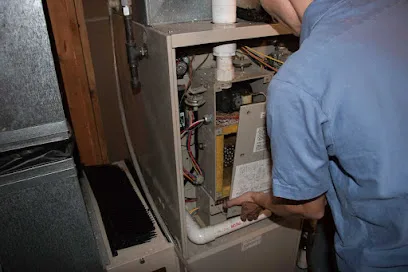
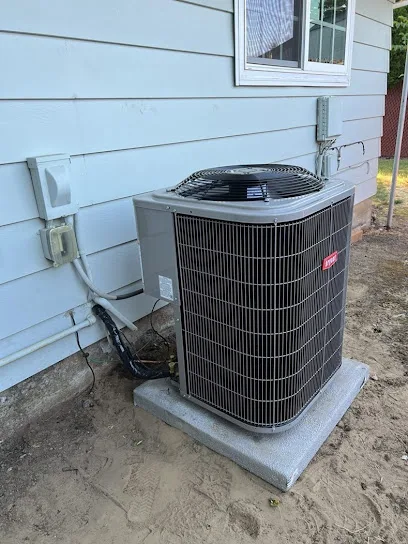
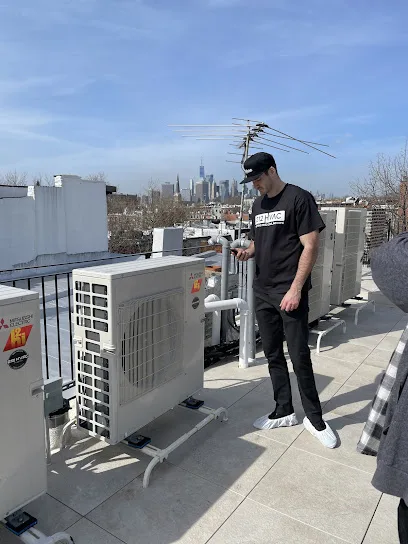
Airnizer HVAC is an HVAC contractor serving Brooklyn, NY with ductwork and air-. The company’s project history highlights complex installation and replacement work, including fitting outdoor condenser units where space is limited, coordinating ducted air handlers with heating components, and integrating controls in smart-home setups. For homeowners and light commercial property managers, this kind of service-call approach matters because comfort depends on correct equipment matching, airflow design, and careful commissioning—not just swapping parts.
When an HVAC system underperforms, the first step is to identify whether the issue is airflow, refrigeration performance, controls, or duct performance. A contractor who can troubleshoot across these areas typically delivers more consistent results, especially for heat pump systems and ducted setups.
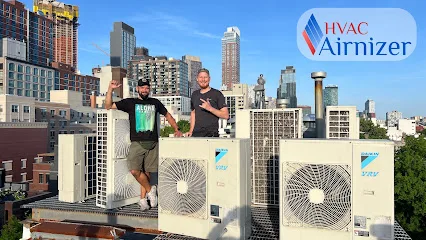
Step-by-step diagnostic flow a technician should follow
Before repairs or replacements, a professional HVAC visit typically starts with verification of the complaint and basic system operation. Common scenarios include “AC not cooling,” uneven temperatures due to ducting problems, heat pump heating that feels weak, or thermostat/control issues that prevent the system from running in the correct mode.
A thorough service call often includes:
- Thermostat and control verification (mode settings, sensor behavior, zoning compatibility, and control communication).
- Airflow assessment (supply/return operation, filter status, fan performance, and whether duct restrictions are limiting delivery).
- Refrigerant and heat pump checks (system pressures and temperature deltas consistent with manufacturer guidance, without relying on guesswork).
- Operational checks across seasons so heating and cooling sequence behavior are both validated.
For property managers, the practical takeaway is to request clarity: what the technician observed, what tests were performed, and why the selected repair path is the right match for the symptom.
Repair vs. replacement: how to make the call with confidence
Air conditioners, furnaces, and heat pumps can fail for different reasons, and the decision to repair versus replace should reflect both technical condition and long-term operating efficiency. A smart approach is to separate “temporary fixes” from “root-cause solutions.” When multiple components or system-level issues contribute to comfort problems, replacement may offer better reliability and performance.
During the decision process, ask how the contractor evaluated:
- Equipment sizing and whether the new system matches the building’s load requirements.
- Air delivery and duct compatibility, since a properly sized unit can still underperform if airflow is blocked or mismatched.
- Integration with existing components, such as hydronic coils or air handler interfaces for heating.
- Control strategy, including how automation systems will communicate with HVAC operation.
For context, load calculations such as ACCA Manual J are widely used to estimate heating and cooling needs. When available, contractors should be able to explain how sizing and design affect real-world comfort and utility costs.
Financing and warranty questions worth asking
Large HVAC projects involve planning, and clear paperwork reduces surprises. Homeowners often focus on price first, but the better approach is to understand terms that protect the investment. Airnizer HVAC supports customers with service planning and project execution, and the right contract should spell out scope, parts coverage, and what happens after completion.
Ask the following before signing:
- What exact components are included (equipment model numbers, thermostat/control components, and any ductwork or air handler parts).
- Warranty coverage details for both labor and installed equipment.
- What financing options apply and whether approvals affect scheduling.
- How commissioning is handled—what performance checks are performed before closeout.
For homeowners trying to budget accurately, a written scope also helps ensure that “site constraints” are addressed up front, especially when condenser placement or routing paths are limited.
Quick checklist to prepare for your Airnizer HVAC service call
If a system is struggling, preparation can make the visit faster and more accurate. Before the technician arrives, compile the key facts that help diagnose whether the problem is mechanical, electrical, or control-related.
- Recent thermostat or control changes, including app or schedule updates.
- When the issue started and what changed beforehand (repairs, renovations, filters replaced or neglected).
- Any observed symptoms: noise, short cycling, weak heating, or uneven cooling between rooms.
- Equipment details such as approximate age, known model numbers, and whether the system uses ducted air handlers.
For heat pump systems and ducted configurations, also mention any airflow complaints. The goal is simple: help the technician focus on the most likely causes so the final repair plan is efficient, not repetitive.