Water near an indoor air conditioner usually means condensate is not draining as intended, or that ice formed during cooling has begun to melt. The first clues are where the water appears and whether you can see ice—not simply how much water has collected. If water is actively leaking indoors, switch cooling off at the thermostat and move belongings away from it. Those observations can help you understand the likely path of the water and describe the problem clearly.
Where AC water normally goes
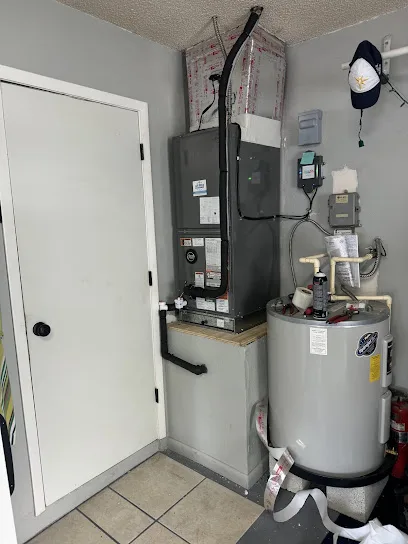
An air conditioner removes heat from indoor air as that air passes over the cold evaporator coil. The coil also cools moisture in the air, causing water vapor to condense into liquid droplets on the coil’s surface. That moisture falls into a drain pan beneath the coil and normally flows through a condensate drain line to an outlet. During humid weather or extended cooling, seeing water discharge from the outdoor end of that line can be normal; it is the system’s intended drainage, not automatically a leak.
Water pooling inside the home is different. The indoor unit and its pan are meant to collect and channel condensate, not release it onto a floor, ceiling, or nearby belongings. If the drain line is obstructed, water may move slowly or stop moving, then collect in the pan until it overflows. A clogged or restricted route is one possible explanation, but the precise source depends on the system and where the water first shows up.
Use the leak’s location and timing as clues
Start with the first place you notice moisture, rather than tracing every damp surface as if it marks the origin. Water around the indoor air handler, at a ceiling register, or near an overflow pan can point toward condensate that is escaping before it reaches the drain outlet. A backed-up line may produce a gradual accumulation, while a pan that has filled can make the visible spill appear suddenly. The pattern is useful evidence about drainage, though it does not identify exactly where a blockage or failure is located.
Timing adds context. A drip that appears while the AC is running or shortly after a cooling cycle may be related to the moisture being produced during operation. Water that continues after the system stops can also reflect water already sitting in a pan or melting ice; the delay does not rule out either possibility. Note whether the water recurs after cooling starts, whether it is close to the indoor unit, and whether it is coming from an intended outdoor drain outlet instead of inside the home.
Visible ice on the indoor coil or refrigerant tubing changes the picture. When an iced coil warms, the accumulated frost becomes liquid and can exceed what the normal drain path is handling. Ice is a clue that a cooling or airflow problem may be involved, not a complete diagnosis. The water it leaves behind can therefore resemble a drain overflow even when the original issue began with ice formation.
Limit damage and avoid risky fixes
For an active indoor leak, stop the cooling cycle at the thermostat, protect nearby furnishings, and keep clear of electrical components or standing water near wiring. If you see ice, do not chip at it or restart cooling while it remains. Forcing another cooling cycle before the ice has cleared can reproduce the symptom while the underlying condition is still present. A wet floor or ceiling can also hide where the water began, so avoid opening equipment panels or reaching into the unit to investigate.
Simple observation is more useful than an improvised repair. You can look from a safe distance for the indoor unit, the drain pan if it is plainly visible without opening equipment, and the outdoor drain outlet. Do not pour cleaners into a line, use tools inside the unit, or attempt refrigerant or electrical work based on the appearance of a leak. Those interventions involve system parts that cannot be assessed reliably from a puddle alone.
Make the next service decision more useful
When arranging help, describe the pattern rather than offering a diagnosis as fact. Record these details:
- Where water first appeared, such as beside the indoor unit, at a ceiling, or at an outdoor drain outlet.
- Whether the AC was running, had recently stopped, or had not been cooling when you noticed the water.
- Whether ice was visible on the coil or refrigerant tubing, and whether the leak began as the ice melted.
- Whether the moisture was a one-time event or returned during a later cooling cycle.
That timeline helps distinguish a recurring drainage symptom from water associated with a thawing coil and gives a technician a focused starting point. For readers in St. Petersburg, Air Bros Air Conditioning & Electrical is a local AC-repair business.