When ice appears on an air conditioner, set the thermostat to Off and let the system thaw before trying to cool the house again. Running cooling against an iced indoor coil can keep the problem going, while scraping or heating the ice risks damaging equipment. After the coil has fully thawed, check the filter and visible air paths. If ice returns or cooling remains weak, the next step is an equipment diagnosis rather than another freeze-and-thaw cycle.
Stop cooling and let the ice thaw
Ice is often visible on the refrigerant tubing or indoor evaporator coil, and sometimes appears as frost or a solid covering. The evaporator coil is the part of the AC that absorbs heat from indoor air as that air passes across it. When ice builds up, less air can move through the coil, so the system may cool poorly even while the equipment continues to run.
Switch the thermostat’s system setting to Off, rather than merely raising the temperature setting and allowing cooling to restart later. Leave the ice to melt naturally. Do not chip at it with a tool or apply a hair dryer, heat gun, or other heat source; the coil and nearby components can be damaged by force or concentrated heat. If water from melting ice could reach stored items, move them out of the way and use a container or towels to protect the area. Allow enough time for the coil to thaw completely; the visible ice may disappear before all ice hidden inside the equipment has melted.
Check airflow after the coil has thawed
A restricted air path is a practical first check because the indoor coil depends on moving air to absorb heat. Once thawing is complete, inspect the air filter. A filter heavily loaded with dust can restrict return airflow; if it needs replacement, use the size and type specified for the HVAC system and orient it according to the airflow arrow printed on its frame. A filter installed backward may not fit or function as intended.
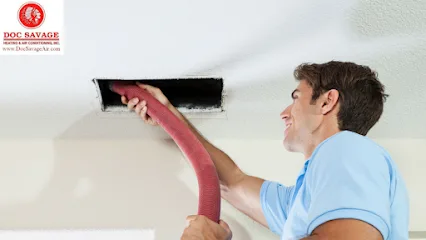
Next, look at the return grilles and supply registers in the rooms. Return grilles draw room air back toward the system, while supply registers deliver conditioned air. Furniture, rugs, curtains, or boxes directly covering these openings can interfere with that circulation. Clear the openings and notice whether any register is closed. This is a visual airflow check, not a reason to dismantle the indoor unit or reach into equipment.
These observations help distinguish a straightforward obstruction from a problem that is continuing inside the system. For example, if a dirty filter and covered return are corrected after thawing, the next run can show whether airflow and cooling recover. Changing several settings at once makes that result harder to interpret.
Recognize causes that need equipment diagnosis
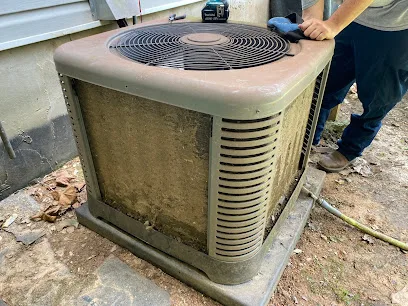
Clear grilles and a clean filter do not rule out every airflow problem. A dirty indoor coil can interfere with heat transfer, and a blower that is not moving air properly can leave too little air passing across the coil. Those conditions involve the equipment itself and may not be visible from the room. Repeatedly replacing filters or adjusting the thermostat will not clean a concealed coil or correct a blower fault.
Low refrigerant can also contribute to icing, but refrigerant circulates within a sealed system. Adding refrigerant is not a general maintenance step or a substitute for locating the cause of a loss. A technician can evaluate the system and determine whether the coil, blower, refrigerant circuit, or another component explains the symptoms. Looking at ice alone cannot identify which part has failed.
Use the next cooling cycle as a decision point
After the ice is fully gone and obvious obstructions are cleared, restore cooling and pay attention to two things: whether air is moving normally from the registers and whether the home begins to cool. Compare the pattern with what you noticed before the shutdown. A system that resumes normal airflow and cooling after a clear filter or blocked grille is addressed presents a different picture from one that still has weak airflow or little cooling.
If ice starts forming again, turn cooling off and arrange service instead of allowing repeated cycles to freeze the coil. Recurring ice, weak airflow after the basic checks, or continued failure to cool are useful details to report: note when the icing appeared, whether it was on the indoor or outdoor portion you could see, and what changed after thawing. Do not remove access panels to investigate internal components. For Jacksonville homeowners comparing local options, Snyder Air Conditioning, Plumbing & Electric is one local HVAC business.