Repair is usually the stronger choice when a diagnosis identifies one isolated fault and the air conditioner has otherwise cooled reliably. Replacement deserves serious consideration when breakdowns keep returning, the work addresses only one part of a broader decline, or the home’s comfort problem would remain after the repair. Age can inform the discussion, but the useful decision comes from matching the system’s history, the proposed work, and the result you need.
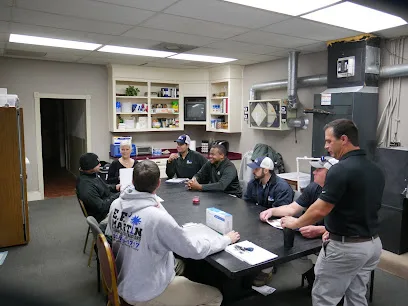
Readers looking for a local HVAC contractor can find E.F. Martin Mechanical Contractors, Inc..
Use the system’s history, not a single bad day
A failure is easier to judge when it is part of a timeline rather than an isolated snapshot. Note what stopped working, when the symptom began, whether cooling returned after service, and whether the same symptom came back. A one-time electrical or mechanical fault after years of steady operation tells a different story from repeated cooling interruptions or several unrelated failures in a short period.
Also distinguish a sudden breakdown from gradual loss of performance. If the air conditioner used to cool the home evenly but now runs for long stretches, struggles during ordinary warm weather, or leaves familiar rooms uncomfortable, record when those changes began and where they appear. A particularly hot day or a temporarily open door can create a short-lived comfort problem; a recurring pattern across normal use is more relevant to the replacement decision.
For example, imagine an AC that has cooled consistently and suddenly stops because one identified component fails. That history supports evaluating a repair on its own merits. If the same unit has needed repeated work and still cannot maintain comfort, the next repair should be assessed against the pattern—not treated as if it were the first problem.
Find out what the diagnosed repair would actually fix
The name of a failed part is not the whole diagnosis. A useful repair recommendation connects the symptom you noticed to the cause found, explains what work addresses that cause, and clarifies what operating result the work is intended to restore. The distinction matters because a similar symptom, such as weak cooling, can arise from different conditions and may involve more than one part of the system.
Consider whether the proposal addresses a discrete fault or only one contributor to a wider problem. If a repair corrects a specific failure but another known condition continues to restrict operation, the system may still fall short of the comfort goal. Conversely, a clearly identified fault in an otherwise dependable unit can make a focused repair more reasonable than replacing the entire cooling system.
Before choosing, translate the recommendation into a plain-language outcome: what should work differently after the repair, and which observed symptoms should improve? That gives you a way to judge the proposal against the actual problem instead of comparing repair and replacement by their labels alone.
Ask whether a new system would solve the real problem
Replacement is useful when the new equipment is aimed at a problem the current system cannot reliably solve. Repeated equipment failures may point toward that choice. So may persistent whole-home cooling trouble, provided the proposed replacement is designed around the home’s needs rather than simply swapping equipment and assuming every comfort issue will disappear.
Not every uneven room or airflow complaint starts at the outdoor or indoor AC unit. Thermostat controls, ductwork, closed or obstructed air paths, and room-level airflow can influence how cooling reaches the house. If those conditions are contributing, replacing equipment alone may leave the original complaint substantially unchanged. The replacement discussion should therefore identify the specific comfort issue and how the equipment and connected system are expected to address it.
For instance, if the main concern is one persistently warm room while the rest of the home cools normally, the decision is not simply “old AC versus new AC.” The key question is whether the proposal addresses that room’s delivery of conditioned air, or whether it only changes the central equipment. The same logic applies to a system that runs frequently: clarify whether the concern is a failing unit, a broader distribution issue, or both.
Compare repair and replacement proposals on equal terms
Put the alternatives side by side and compare what each includes, what it is meant to accomplish, and what remains outside its scope. A lower initial quote is difficult to evaluate if it covers a different set of work. Use the same goal for both options: restore dependable cooling, resolve a defined comfort problem, or address recurring failures.
| Decision detail | Repair proposal | Replacement proposal |
|---|---|---|
| Work included | Diagnosed fault, parts, and labor | Equipment and installation work |
| Expected result | Which symptom or function should improve | Which cooling or reliability problem it targets |
| Terms to review | Any stated repair warranty and remaining known issues | Equipment details, installation scope, and stated coverage |
Read the terms as part of the comparison, not as fine print after selecting an option. The repair may involve less disruption but leave another known issue for later; replacement involves a larger installation project and should be judged by the equipment and work actually specified. Future service needs also matter: a repair can be sensible if it restores reliable operation, while an expensive sequence of repeated fixes may make a complete system plan more coherent.
The sound choice is the one whose scope matches the diagnosis and the comfort outcome you care about. When proposals describe different work, first make their intended results comparable; then the trade-off between a focused repair and a broader replacement becomes much clearer.