Why an AC Runs but Won’t Cool
In Long Island homes, an air conditioner that starts up but fails to deliver cool air usually points to one of three categories: airflow restriction, refrigerant/heat-transfer problems, or an electrical/control fault. Airflow issues can come from dirty filters, blocked returns, failed blower components, or duct obstructions. Refrigerant problems may show up after a leak or an over/undercharge. Electrical and control faults can include capacitor failures, sensor issues, or thermostat/board errors that prevent the system from operating in the cooling mode correctly.
Heating and Air conditioning repairs provides service contact for residential HVAC needs, including urgent troubleshooting for cooling failures. The goal is to narrow down the cause safely, then recommend repair versus replacement based on measurable system conditions.
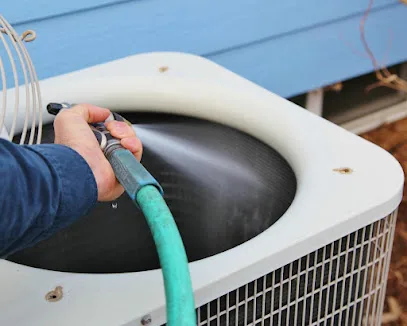 Professional diagnostic service helps identify whether the cooling failure is caused by airflow, refrigerant, or an electrical/control issue.
Step-by-Step Diagnostics a Technician Uses
A call follows a sequence rather than guessing. A technician typically starts by verifying thermostat settings and operation mode, then checks visible equipment conditions and basic airflow path components. From there, the diagnostic process moves to electrical checks, airflow measurement, and refrigeration-side verification where applicable.
1) Confirm Cooling Mode and Thermostat Signals
First, verify the thermostat is calling for cooling (setpoint below room temperature) and that the indoor unit blower is responding as expected. If the thermostat is unstable or power is intermittent, the compressor may not engage properly even though the unit seems to “run.”
2) Inspect Airflow and Basic Filtration
Next, inspect filters and returns. A clogged filter or blocked return can reduce airflow across the indoor coil, causing the system to freeze or perform poorly. Duct obstructions can also raise system head pressure and reduce cooling output. Technicians check for unusual air temperature splits between supply and return and confirm that the blower speed and airflow match the system requirements.
3) Check Indoor Coil and Drainage Conditions
If the evaporator coil has frost or heavy ice accumulation, cooling performance will drop sharply. Technicians examine coil condition and check drainage pathways for blockages that can impact airflow and moisture removal. If the coil is frozen due to restricted airflow, the right “repair” may start with restoring proper air circulation.
4) Evaluate Electrical and Start/Run Components
Many “runs but doesn’t cool” complaints trace back to failing electrical components. Capacitors, contactors, and safeties can fail in ways that allow partial operation but prevent the compressor from producing normal cooling. A technician will test components and verify correct operating voltage under load conditions.
5) Verify Refrigerant-Related Performance
If airflow is correct and electrical checks pass, the remaining causes often involve refrigerant/heat-transfer issues. Technicians verify cooling performance with appropriate readings (such as temperature measurements across the system and other diagnostic indicators) and identify the probable source if a refrigerant leak is suspected. Refrigerant work should be handled according to EPA standards and manufacturer procedures.
Repair Options vs. When Replacement Makes Sense
After the diagnosis, the technician typically outlines a clear scope of work. For short-term repairs, common fixes include restoring airflow (filter/duct issues), repairing or replacing failed capacitors/controls, addressing sensor problems, or correcting refrigerant-related faults when a leak is found.
Replacement may be the better long-term value when repair costs are high relative to system life expectancy, when the equipment repeatedly fails safety checks, or when multiple components show wear at the same time. A technician may also discuss efficiency improvements if the existing unit is significantly underperforming. Many homeowners use a structured approach to estimate what cooling output they need in peak summer conditions; tools like ACCA Manual J are commonly referenced to size comfort properly.
What to Ask Before Approving Repairs
- What exact diagnosis explains why the unit is running but not cooling?
- Which measurements support the conclusion (airflow readings, coil condition, electrical test results)?
- Is the issue likely repairable without major system rework?
- What are the options for repair vs replacement, and what changes in efficiency or comfort should be expected?
- What is the timeline for parts and completion?
Pricing Factors for AC Repair in Long Island
Repair pricing varies based on diagnosis complexity, the type of parts required, and whether additional issues are discovered during service. Electrical components such as capacitors and contactors are often faster to resolve, while troubleshooting refrigerant-related performance may require more time if a leak is suspected. Airflow problems can involve filters and access work; duct restrictions may require additional inspection beyond a basic visit.
Request an itemized explanation that separates diagnostic time from parts and labor. If refrigerant is involved, technicians should clearly explain the leak/issue source and what “normal” operating conditions should look like after the repair.
Preventing “Not Cooling” Callbacks Next Summer
Most preventable causes of cooling failure are tied to maintenance and airflow. Replace air filters on schedule, ensure returns are unobstructed, and watch for early warning signs like weak airflow, unusual cycling, or inconsistent room temperatures. During seasonal tune-ups, technicians can check electrical health, inspect indoor coil conditions, and verify the system is operating within expected performance parameters.
For households that rely on stable comfort, scheduling service before the hottest weeks can reduce the likelihood of emergency contact. If cooling performance drops suddenly, prompt service helps prevent secondary damage, such as compressor stress or extended coil freeze cycles.