When your air conditioner stops cooling the way it used to—or your furnace hesitates before it kicks on—your first instinct may be to look for the fastest fix. The better goal is a decision-grade HVAC estimate: one that clearly explains what’s causing the failure, what parts are likely involved, what tests were used to reach the conclusion, and whether repair will restore reliability or simply postpone the next breakdown.
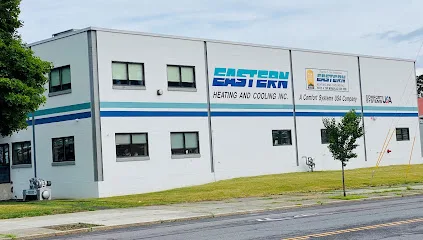
This guide explains how to evaluate Eastern Heating & Cooling Inc. in Albany, NY when you’re deciding between AC or furnace repair and replacement. Eastern is listed at 880 Broadway, Albany, NY 12207, reachable at (518) 465-8878, and has an official site at https://easternheatingcooling.com/. Public listings also show a 4.6 rating from 13 reviewers—useful context, but your estimate should be the real deciding factor.
Start with how the system behaves, not the first symptom
A “not working” report tells you very little by itself. Before the technician even arrives, write down what your equipment is doing—because that behavior helps frame the likely cause and the scope of work you should expect from the estimate.
AC examples: running but not cooling, short-cycling (turning on/off quickly), freezing at the indoor coil, or unusual noises.
Furnace examples: failing to ignite, running then shutting down, or burners lighting with inconsistent warmth. In Albany’s winter swings, a problem that shows up mainly on colder mornings can point toward issues tied to airflow or control behavior rather than a single “replace-it-and-hope” component move.
When you describe the exact pattern of failure, you’re helping the estimator separate a one-time event from a reliability problem.
Use the estimate to separate “repair work” from “replacement risk”
A strong estimate makes two distinctions: what needs attention now and what could still fail soon after. Ask the technician to tie their recommendation to evidence, not assumptions.
What they found during inspection
Look for an explanation grounded in what was checked. For example, is the root cause electrical, airflow-related, refrigerant/pressure-related, or a control/thermostat logic issue? If the explanation stays at the level of “it’s probably the unit,” it becomes hard to make a confident repair decision.
Whether repair restores reliability or only delays it
Ask for a realistic reliability statement: will the repair address the cause, or is it likely to be a temporary patch while other system parts continue to fail due to age or related conditions?
This is where “repair vs replacement” turns into more than comparing numbers. You’re evaluating whether today’s work reduces future call frequency or just moves the problem to the next season.
AC repair decisions: contained failures vs a repeating pattern
Repair often makes sense when the failure looks contained—one primary component is involved, airflow and venting appear to be in good condition, and other parts aren’t showing warning signs.
Replacement deserves stronger consideration when you see a repeating pattern: the AC keeps cycling, temperature swing worsens over weeks, indoor comfort declines while the outdoor unit struggles, or multiple major components appear to require attention in the same visit. If the estimate can’t connect repairs to a specific cause, you may be paying for repeated troubleshooting rather than solving the underlying performance issue.
Furnace decisions: control, airflow, and safety clarity
For heating, a helpful estimate explains both normal operation and what happens during calls for heat. Ask whether the issue is likely:
Control-related (thermostat/sensor/ignition logic), airflow-related (dirty filters, blower issues, or duct restriction), or combustion/safety-related (where the technician should explain why the unit may shut down).
Even when repair is likely, the estimate should clarify what was changed and what to watch next. That way, the fix doesn’t become a recurring “mystery failure” that doesn’t explain itself.
The five details that make an Albany HVAC estimate decision-ready
Before you commit to any work, ask the technician to answer these in plain language:
1) What specific part or condition is causing the failure behavior?
2) What tests did you run to reach that conclusion?
3) If we repair it, what reliability should we realistically expect over the next heating/cooling season?
4) What other components should we inspect now because they’re likely related or near end-of-life?
5) What does “repair” vs “replacement” change in terms of your total cost-to-comfort over time?
For Eastern Heating & Cooling Inc., one practical way to use their Albany presence (including 880 Broadway and (518) 465-8878) is to treat the appointment as an engineering conversation, not a quick transaction. A good estimate doesn’t just recommend a fix—it explains why that recommendation matches your system’s current condition and your home’s tolerance for future breakdowns.