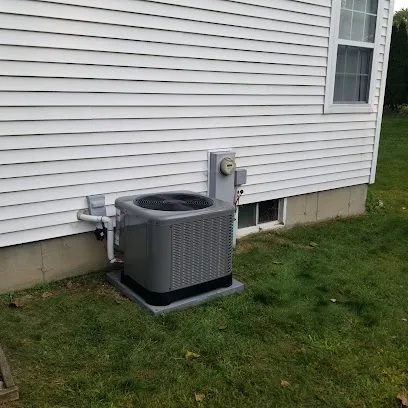
When your furnace or air conditioner starts acting unreliable, most Albany homeowners don’t just want the quickest response—they want the right decision. A “good” HVAC repair estimate should help you understand whether the current problem is contained (repair-first) or whether your home will likely keep paying for recurring issues (replacement-worthy). Albany HVAC is listed as offering heating and cooling service in Albany, with an online presence at http://www.hvacalbany.com/ and a published phone number at +1 518-963-0366.
Start with system behavior: what your heating or cooling is actually doing
Before you compare contractors, describe the symptoms accurately. For heating, note whether the furnace won’t start, short-cycles, or runs but won’t reach temperature. For cooling, track whether the AC runs but doesn’t cool, cycles too quickly, or shows signs of airflow problems. This matters because “repair vs. replace” hinges on how the failure pattern fits the age and condition of the system—not just on one broken part.
Ask your contractor to explain the mechanism behind the symptom in plain language. If the diagnosis is solid, the next step is straightforward: identify what is likely to be fixed, what may be masking a larger issue, and what would be required for a durable result.
What a decision-grade repair estimate should include
A repair estimate that leads to a confident choice should be specific. Look for written scope details that separate labor and parts, and an explanation of why the recommended fix addresses the root cause. If the quote is vague—no breakdown of components, no reasoning, no discussion of alternatives—it’s harder to judge whether the repair is truly contained.
Albany HVAC’s public information highlights 24-hour emergency HVAC service and positions the company as serving Albany and the surrounding communities for more than 35 years. That kind of availability is useful during real breakdowns, but it still shouldn’t replace a thorough inspection. Even during an emergency, the estimate should connect the symptom to an identified cause before recommending repair-only solutions.
Confirm the diagnostic steps, not just the final recommendation
For example, if the issue is “no heat,” ask whether the technician checked ignition/sequence, airflow, controls, and any relevant safety switches. If it’s “AC not cooling,” ask what was measured—such as airflow performance and refrigerant-related checks—and how those measurements point to the cause. The goal is to avoid paying for repeated visits because the underlying problem wasn’t isolated.
When replacement starts to make more sense than repeated repairs
Replacement deserves serious consideration when reliability keeps slipping or when the repair would require multiple major components with overlapping failure risk. Signs that replacement may be smarter include frequent trips to fix recurring issues, parts that keep failing in a short period, or repairs that don’t restore stable performance.
Another practical signal is how the estimate addresses future reliability. A decision-grade contractor will discuss what to expect after the repair, what could still go wrong, and which risks are reduced by replacing versus patching. For older systems, a candid comparison between the repair scope and what replacement would accomplish is often the most homeowner-friendly approach.
Use customer feedback to support—then verify—confidence
Public listings for Albany HVAC show a 5.0 rating based on 8 reviewers. Reviews can help you spot whether the company tends to communicate clearly and follow through, but they still don’t replace a documented scope for your specific furnace or AC problem. Use ratings as a starting point, then verify the details in writing.
How to turn the quote into a clear homeowner decision
When the technician finishes the inspection, request two options if appropriate: a repair-first plan and an alternative replacement scenario. Ask for the tradeoffs: what each option fixes, what it doesn’t fix, and what timelines you should expect for comfort and performance. If a company offers 24/7 emergency service, you can still insist on a decision-grade explanation—speed is helpful, but clarity is what protects your budget.
If you’re in Albany and comparing contractors, Albany HVAC’s public phone line is +1 518-963-0366 and its site is http://www.hvacalbany.com/. Use that contact to ask how they document HVAC diagnoses and how they help homeowners choose between repair and replacement for furnaces, AC units, or related components.
Ultimately, the best “repair vs. replace” choice is the one that matches your system’s actual behavior, the identified cause, and the future risk described in the estimate—so you’re not just fixing today’s symptom, but planning for steady heating and cooling through the next season.