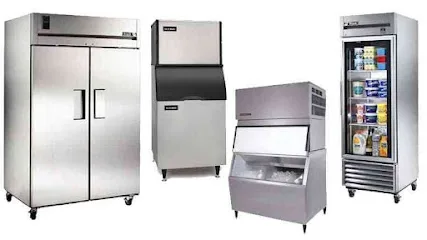
When a home AC or a commercial refrigeration unit stops working correctly, the hard part isn’t only finding a technician—it’s approving the right work based on a diagnosis you can actually understand. Cooler Refrigeration Repair HVAC serves Central New York, and its focus includes repair work for commercial refrigeration needs (including walk-in freezers and coolers). In situations like these, the biggest risk is signing off on an estimate that doesn’t clearly define what will be corrected or how success will be verified.
This decision guide is built for failure moments: cooling drops, a system won’t start, or refrigeration performance can’t hold temperature—cases where you want clarity before money leaves your account.
Start by turning the problem into a test plan
Before you request pricing, describe what changed and when. Did cooling fail suddenly, or did it degrade over days? If heating is involved, did it fail on ignition, cycle short, or run but not deliver heat? For refrigeration-style temperature loss, note the temperature swing, any unusual noises, and when the product began showing impact. The goal is not to self-diagnose—it’s to give the technician the “failure story” needed to build a test plan that explains the recommendation.
At the same time, ask for what measurements and checks will be completed before parts are ordered. Fast response can matter when cooling or refrigeration issues create loss risk, but speed should come with evidence, not guesswork.
Make the estimate define what “fixed” means
A strong quote should state the specific condition the repair is meant to correct—not just that “service” will be done. Instead of approving vague wording, ask for language tied to the failure pattern you observed: airflow or distribution problems, control behavior, compressor-related symptoms, thermostat/control operation, or other observable causes.
Then ask the most important question: what test result or performance change should confirm the repair worked? And how will it be verified—during the visit, right after service, or through monitoring afterward?
Using a provider like Cooler Refrigeration Repair HVAC, you can also leverage context from their business focus. Their website highlights repair and installation for commercial refrigeration needs and emphasizes prioritized response based on potential loss of product. Use that to ask how urgency is handled in your specific case while still requiring documented findings that justify the scope you’re approving.
Separate parts and labor so you can sanity-check the scope
Request a breakdown that makes the work auditable. Line items should separate diagnostic or inspection time, labor hours for each task, and the exact components proposed. If the quote includes options, ask what would be replaced immediately and what would wait until additional tests confirm the next likely cause.
This approach helps you avoid “swap-and-hope” repairs—where parts and labor are approved without solving the root problem.
Ask what happens before parts are ordered
Even when you need rapid service, clarify the process: what checks are performed, what evidence supports the recommendation, and what outcome indicates success (or indicates the need for a different path). If the approach is “try X first,” ask what would show that X is the correct fix versus a misdiagnosis.
Use credentials as a starting point, then demand a written summary
Cooler Refrigeration Repair HVAC notes that its technicians are “experienced EPA certified technicians.” You can reach the business by phone at (315) 741-0011, and the official website is http://coolerfixcny.com/. Those details can help you vet the provider, but your decision should still rely on documentation for your specific repair.
After the service visit, ask for a written summary that covers what was found, what was replaced or adjusted, and what monitoring should show to confirm the repair is holding. If the issue involves temperature recovery, ask what changes you should expect after settings stabilize and performance should settle.
Also ask what to watch over the next 24–72 hours. If thermostat or airflow behavior contributed to abnormal cycling, performance may change once controls stabilize. If comfort or temperature comes back but cycling stays irregular, you’ll want to know whether that points to normal break-in behavior or whether the original cause may not have been fully addressed.
Questions that prevent repeat breakdowns
Before approving work, ask questions that tie symptoms to testing and scope to verification:
- What exact failure symptoms are you seeing, and what tests support the conclusion?
- Which part(s) are most likely to be replaced, and what triggers any additional replacements?
- How will you verify the system is performing after repair, and what proof applies?
- If performance returns, what maintenance step helps reduce the chance of the same failure returning?
- How should urgency be handled—what should trigger a follow-up versus normal monitoring?
When an estimate clearly defines the success target, breaks down parts and labor, and documents what changed, HVAC and cooling decisions become more predictable. And when you’re working with refrigeration equipment such as walk-in freezers and coolers, that clarity matters even more to reduce the risk of repeat loss.