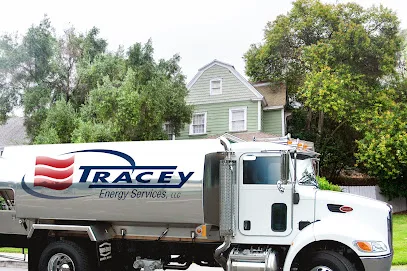
If you’re calling an HVAC contractor in New Haven because your furnace cycles oddly or your AC won’t deliver cool air, the biggest risk isn’t “not getting help”—it’s getting an estimate that doesn’t match what your system is actually doing. Tracey Energy Services LLC is a New Haven heating-and-cooling contractor at 325 Howard Ave, New Haven, CT 06519, United States, reachable at +1 203-777-5747, and it publishes contact details through its official site (https://traceyenergy.com/contact-us/).
This decision guide helps homeowners prepare for the first phone call and evaluate whether a diagnostic plan leads to the right next step—repair, maintenance, or equipment replacement—without guesswork.
Start with a “symptom-first” call: what your equipment is trying to tell you
Before you request parts or replacement, anchor the conversation in observations you can repeat:
- Furnace behavior: Is it failing to ignite, short-cycling, or running but not delivering heat evenly?
- AC behavior: Does the indoor unit run, do you get airflow, and does the system ever actually reach cooling?
- Thermostat clues: Do you see correct temperature changes, or does the thermostat appear “stuck” while the system acts normally or not at all?
When an HVAC contractor starts with symptoms, you can better verify the diagnosis instead of debating price on a proposal that may be based on the wrong failure path.
Use the scope-match test for HVAC repairs (so the estimate follows the diagnosis)
A useful estimate isn’t just a list of labor and parts—it should explain how the work connects to the measured problem. Ask your contractor to walk you through what they will verify on-site, then match that to the proposed scope.
For example, if the call is for “AC not cooling,” the estimate should show how they plan to check airflow and cooling performance, not only recommend a part. Likewise, if the concern is “furnace won’t start,” the proposal should include the diagnostic steps that rule out common ignition or control issues.
What “done correctly” sounds like during the estimate
During the estimate conversation, look (and listen) for concrete statements like:
- What symptoms will be tested first, and why those tests make sense.
- What results would change the recommendation (repair vs. replace).
- How they will handle follow-up if the first repair doesn’t restore performance.
Those details matter because your goal is not to “buy a repair”—it’s to resolve the cause of the failure.
When repair still makes sense vs. when replacement becomes the clearer HVAC decision
Most HVAC decisions come down to tradeoffs: how urgent the problem is, how often the same issue returns, how expensive future failures might be, and whether the system can deliver comfort reliably.
Here’s a practical way to decide:
- Repair can be the right move when the diagnosis points to a contained issue and the estimate is built around verifying that issue.
- Replacement can become the better fit when symptoms repeat, multiple components appear to be failing, or the repair path would effectively keep “chasing” the same performance problem.
If you’re unsure, ask the contractor to explain what would have to be true for them to recommend replacement instead of repair, and what they need to see before making that call.
Use Tracey Energy Services as a fit check: call-readiness and communication signals
Public signals can’t confirm today’s scheduling, but they can help you judge call-readiness. Tracey Energy Services lists a strong customer rating—4.8 from 135 reviewers—and emphasizes that the team is available to help customers during the right windows for routine questions, while also noting guidance for emergencies on its contact page.
Before you book, confirm these points directly so the estimate starts with fewer uncertainties:
- Whether the same visit can include diagnostic testing and a written repair/replacement recommendation.
- How they price evaluations and how you will receive the final scope before work starts.
- Which heating and cooling system types they are comfortable diagnosing in your home.
Bring one document to reduce back-and-forth
Have the model/serial data for your furnace or AC (and thermostat if available). If you don’t have it, take a photo of the equipment label before the contractor arrives. It speeds up verification and can keep the discussion focused on the actual failure.
Bottom line: a good HVAC estimate answers two questions
For any furnace or AC issue, the best next step depends on whether the contractor can connect symptoms to a measured diagnosis and explain the repair scope clearly. Tracey Energy Services LLC provides public contact details for New Haven homeowners—+1 203-777-5747, with official contact information at https://traceyenergy.com/contact-us/—so you can start with a focused symptom description, request a scope-match explanation, and then decide whether repair or replacement is the smarter HVAC path for your situation.