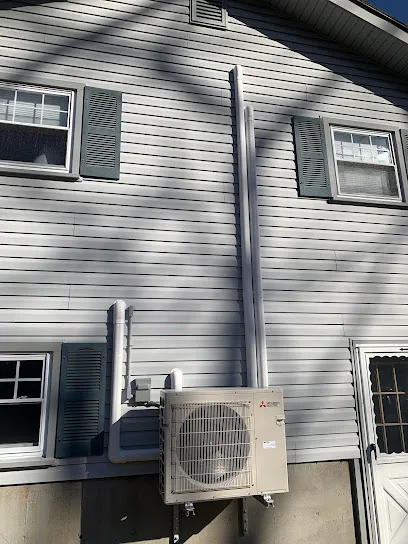
If your AC stops cooling or your furnace won’t start, the most expensive mistake is approving a quote before the technician has earned it with tests. For homeowners in the Portland, ME area, Martel Mechanical is listed as a heating-and-cooling contractor you can reach by phone at +1 207-590-5554 (and the listing indicates open 24/7). The goal of this guide isn’t to “push” a particular fix—it’s to help you structure a diagnosis-first HVAC conversation so the scope stays aligned with what your system is actually doing.
Start the call with symptom details that point to HVAC tests
Before you ask about parts or prices, give a technician a short symptom timeline. Note what changed (thermostat behavior, unusual sounds, cycle length), what stays the same, and whether the problem is consistent across zones. For example: “The furnace ignites but shuts down after X minutes,” or “The AC runs, but supply air stays warm.” These specifics determine which HVAC measurements matter first—such as airflow indicators, temperature rise/supply vs. return, or basic pressure checks on the cooling side.
Martel Mechanical’s online overview emphasizes HVAC installation and repair plus service areas across Southern and Central Maine, so you’ll still want to anchor the call in your unit’s observable behavior. A diagnosis-first quote starts with the tests that can confirm (or rule out) the top causes.
Ask for the decision path: what test result leads to each quote option?
When you receive more than one estimate, demand an explanation of the logic behind it. A clear decision path sounds like: “We test X; if it’s within spec, we move to Y; if it fails, we recommend Z.” This prevents quote drift—where the price you agreed to ends up covering a different scope than what your system actually needed.
Use this wording: “Please tell me what you’ll test first, and what specific result would change the recommendation from repair to deeper work or replacement.” A technician should be able to connect the diagnosis to the scope line-by-line.
Make the scope measurable: parts, labor, exclusions, and warranty terms
A good HVAC scope isn’t just a total price. It breaks the work into items you can verify: which components are being replaced, what labor is included, what is excluded (for example, access issues or additional system repairs found later), and how the warranty is handled. If your thermostat, control board, or electrical connections are involved, ask whether the quote includes diagnostic verification after replacement—not just “swap and go.”
Use the “repair vs. replacement trigger” questions to avoid overpaying
Repair makes sense when the diagnosis shows a limited failure. Replacement starts to become reasonable when recurring failures, system age, or efficiency issues create a pattern. Ask: “What specific findings make you say this is repairable now—and what findings would push you toward replacement?”
Martel Mechanical’s site also highlights heat pumps, furnaces, boilers/forced hot water, duct work, central AC, and variable refrigerant flow (VRF). Even if your system is conventional equipment, the same principle applies: the decision should track your HVAC type and the measured conditions, not a generic checklist.
Before the appointment: document your system so the diagnosis is faster
You can shorten troubleshooting by providing photos and basic data. Take pictures of your thermostat screen, the indoor unit/air handler nameplate, and any error codes. Write down when the problem began and whether it happens in heat mode, cool mode, or both. If you’ve had recent filter changes or service, include those dates and what was done.
Also confirm practical details directly when you call: scheduling timing, what access is needed, and whether the contractor is treating your request as a repair call vs. installation planning. With a listing that shows a 5.0 average rating from 35 reviewers, it’s still smart to review the plan carefully—good reviews don’t replace a clear diagnostic scope.
Closing: approve only after you understand what was tested
For HVAC repairs in the Portland, ME area, your safest path is simple: ask for tests first, request a decision path tied to test results, and ensure the written scope specifies exactly what’s included. If you want to reach Martel Mechanical, call +1 207-590-5554 and keep the conversation anchored to measurable HVAC findings—so the quote you approve matches the job your system actually needs.