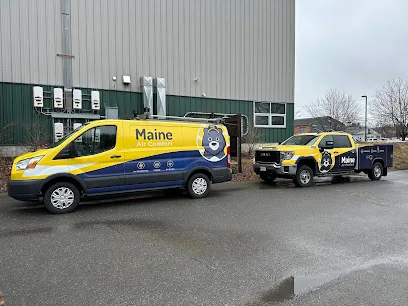
When an AC stops cooling or a furnace won’t start, the first quote can feel like the only option. But in real HVAC repair work, the cost risk usually comes from approving a scope that doesn’t match the actual cause—especially when thermostats, airflow, and safety controls are involved. Maine Air Comfort, based in Portland and serving Southern Maine, positions itself as a heating and cooling specialist with options that include 24/7 emergency service and work across AC repair, heating repair, ductless mini-splits, and indoor air quality. If you’re deciding whether to call them, you’ll get the most value by pushing for a “cause statement” and a scope that stays consistent from diagnosis to repair.
Start with a verifiable cause statement (not a parts guess)
Before you agree to a repair, ask what they believe is causing the failure based on the checks performed. For example, “the thermostat isn’t sending the call correctly” is different from “a sealed system leak is driving performance down.” Maine Air Comfort’s published focus includes AC repair and heating repair, and the company lists a phone line at +1 207-358-4442 for service requests. Use that to schedule, but in the first conversation, make sure the tech can explain the measured cause behind what you’re observing.
Also ask the plain-language version: “What did you verify during the diagnostic?” You’re looking for evidence you can repeat—like airflow readings, ignition/safety switch checks, or confirming whether the system is responding to thermostat signals. This is how you protect yourself from scope drift (where the repair evolves into unrelated labor once the visit starts).
AC not cooling: what details should be in the diagnosis?
For an AC that runs but won’t cool, the missing detail is often airflow, refrigerant charge assumptions, or a control/input issue. A strong visit report should tie your symptoms to at least one specific system check. If the technician suspects refrigerant is the issue, ask what tests support that and whether there’s any observed evidence of airflow restriction. If airflow is weak, refrigerant symptoms can be “secondary,” and the right fix may start with the fan/blower path rather than chasing leaks.
Furnace won’t start: what safety checks should come first?
For heating failures, safety controls matter. Ask whether they checked ignition sequence response, filter/airflow conditions, and the relevant safety switches before concluding that a component needs replacement. A written scope that includes the safety checks (and explains why they’re necessary) makes it easier to judge whether the repair is solving the real failure, not just replacing parts.
Demand a written HVAC scope that matches the diagnosis
Even if you like the tech, insist on a written scope before work begins. The scope should describe (1) diagnosis outcomes, (2) what parts are being replaced or repaired, (3) what labor steps are included, and (4) what access limitations or exclusions could affect the result.
Maine Air Comfort lists an HVAC focus that includes ductless mini-split systems and indoor air quality services, so it’s especially important that the scope reflects your equipment type. If your home uses ducted air (furnace/air handler + ductwork), don’t let the conversation slide into mini-split assumptions. If you’re dealing with a ductless system, ask how the scope addresses that specific configuration.
Use the “repeat-failure” question to compare repair vs. replacement
If the system has failed more than once—or if you’ve had intermittent issues—use a repeat-failure question to separate short-term repairs from solutions that actually reduce the chance of coming back soon. Try: “What’s the most likely reason this could happen again, and what does your scope do to prevent that?”
As a real reference point, Maine Air Comfort shows customer feedback averaging 4.8 stars across 23 reviews. High satisfaction is a helpful signal, but for your decision, scope quality is the deciding factor. A clear explanation of cause and prevention is what makes the work comparable across contractors.
Plan the call for faster troubleshooting and fewer surprises
You don’t need to be an HVAC expert to help your service visit go smoothly. Before the appointment, write down when the problem started, what changed recently (thermostat settings, power interruptions, filter changes), and whether the system behaves differently at different times of day. If the thermostat display shows codes or unusual behavior, capture a photo and include it when you call.
Then, during the visit, ask for the diagnostic results in plain language and request an itemized scope tied to those results. If your situation is urgent, Maine Air Comfort’s website indicates 24/7 emergency service availability, which can matter when you’re dealing with a no-heat or non-cooling condition.
Make your decision using the written scope—then verify next steps
Choosing an HVAC contractor is easier when you treat the first visit like a decision process: identify the verified cause, match the repair scope to that cause, and address repeat-failure risk. With Maine Air Comfort, you can start the conversation at https://maineaircomfort.com/ or by calling +1 207-358-4442, but your best outcome will come from asking how the diagnostic ties to the specific repair steps being quoted. If the scope is clear, consistent, and cause-based, you’ll have a plan that’s easier to approve—and easier to live with afterward.