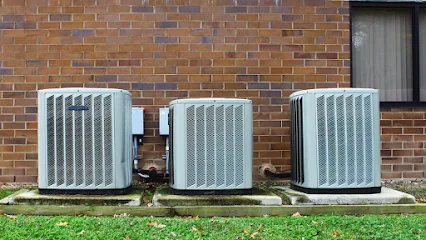
When your AC stops cooling or your furnace won’t start, the fastest way to waste money is approving a “parts-and-labor” plan that doesn’t actually match what your system is doing. Efficient Heating & Cooling (31 Orchard St, Stamford, CT 06902; +1 203-323-8740) is listed locally with a 4.3 rating from 4 reviewers, and their site emphasizes heating and air-conditioning work across residential and commercial properties throughout Fairfield County. That’s a solid starting point—but the real decision is whether the diagnosis and repair scope stay aligned with your symptoms from the first call through the final invoice.
Use the guide below as a homeowner “scope filter” before you say yes to an AC repair or furnace fix.
Start with the symptoms you can measure (not the parts you’ve heard about)
Before the technician arrives, write down what changed and when. Examples that help an HVAC pro pin down the failure path: the thermostat setting and mode (cool/heat), what the indoor blower is doing, whether you hear short cycling, and whether air feels weak at a vent. If the system is a heat pump, note any unusual sounds during defrost cycles.
This matters because a good repair scope begins with documented findings—pressures, temperatures, amperage, or airflow—then connects those findings to the proposed work. If you’re being asked to approve repairs without any measurement context, that’s a red flag.
Ask for a “cause statement” tied to your findings
Instead of “How much for the repair?” try “What is the cause you’re seeing, and what test result supports it?” A clear cause statement reduces the chance that the job becomes guesswork once the technician is on-site.
Separate diagnosis time from repair approval
Local HVAC calls often start with an assessment and then move into a repair. To protect your budget and timeline, request that the diagnosis be explained as a separate step: what was checked, what was ruled out, and what the next action will be if you approve work. Efficient Heating & Cooling lists contact and request service options through their site at http://efficienthc.com/, and their background notes work for both heating and air-conditioning systems.
The key is making sure the repair quote isn’t quietly expanding after new symptoms appear. Keep the conversation focused: “If your findings change, will you pause and confirm scope before proceeding?”
What a written AC or furnace scope should include
Whether you’re dealing with an AC that won’t cool, a furnace that won’t start, or thermostat behavior that feels inconsistent, a written scope should do more than name a part. It should connect your diagnosis to the tasks required to fix the problem safely and correctly.
Look for these concrete elements in the estimate:
- Specific labor tasks (not vague language) tied to the failure path
- Materials listed by what’s being replaced or serviced
- Testing included after the repair (so you can confirm the HVAC system actually returns to normal operation)
- Any exclusions (for example, what happens if a related component is found during the job)
If the proposal only discusses replacement items but doesn’t explain verification steps, ask how performance will be confirmed.
Watch for scope drift: “new” problems that don’t match the earlier findings
Scope drift is common in HVAC because systems are interconnected. But you can prevent surprises by requiring a pause-and-confirm moment: “If you find an additional issue, what evidence shows it, and what are the options and costs?”
Repair vs. replacement: evaluate repeat-failure risk
Many homeowners focus on sticker price. A better approach is repeat-failure risk. Ask what failure path is most likely to return if the repair is done as proposed. For example, a system with ongoing airflow issues might keep stressing a component long after a part swap.
If you’re considering a replacement, ask how the new system choice will change everyday comfort: temperature stability, cycling frequency, and how the system will be adjusted to your home’s needs. For heating and cooling decisions, the best quotes include not only equipment selection but also commissioning details and performance testing.
Use these questions to keep your decision grounded
In one quick conversation, you want enough clarity to compare quotes apples-to-apples. Try asking:
- “What did you measure, and what did those results show?”
- “What exactly is included in the repair scope—and what isn’t?”
- “What tests will confirm the system is fixed after work is complete?”
- “If you discover additional issues, how will you document them and get approval first?”
Efficient Heating & Cooling is a local Stamford option with published contact information, and their website frames them as an HVAC provider serving heating and air-conditioning needs. But your best outcome comes from insisting that the diagnosis and the written repair scope match your heating or cooling symptoms—so you’re paying for a solution, not just a set of parts.