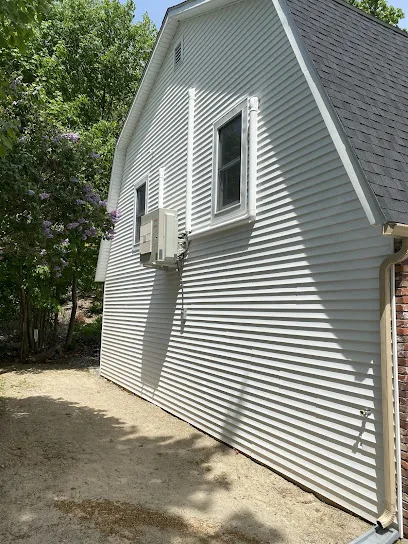
When heating or cooling starts acting unreliable, the first decision isn’t “Who should I call?”—it’s “What should I approve on the first visit?” For Portland-area homeowners considering Cheap Heat and AC, you can make that choice clearer by matching your symptoms to the tests and scope details that drive either repair or replacement.
This HVAC shop advertises a heating-and-cooling focus and highlights work with Samsung, Fujitsu, and Mitsubishi ductless mini-splits and heat pumps, along with service and installation for gas and oil fired heating equipment. They also invite customers to request a quote by phone at +1 207-653-3664 and point to their site for booking and scheduling. (You’ll still want to confirm current availability and what’s included in any estimate.)
Start with the system facts that change the decision
Before you agree to parts or a full replacement, ask the technician to document the “proof points” that determine which path makes sense. For HVAC repairs, these often include what the thermostat is calling for, what the equipment actually does (or doesn’t do), and what the diagnostic tests show.
For example, a common scenario is an AC that runs but doesn’t cool: the diagnostic should clarify whether the issue is airflow, refrigerant-related, electrical/control related, or something else. If it’s a heating failure, you’ll want clear confirmation about ignition or burner status, airflow, and safety-related checks—so you’re not paying for guesswork.
Repair is usually the “first approval” when the fix is measurable
A repair quote is easiest to compare when it’s anchored to measurable scope. Ask for:
- What exact components will be replaced or adjusted
- Which diagnostic steps led to that conclusion
- What’s included (labor, parts, troubleshooting time) and what’s not
- Whether follow-up checks are part of the job
Cheap Heat and AC positions itself as a company dedicated to heating and cooling solutions, including maintenance and repair work. If a repair option is being recommended, your goal is to understand why it will address the root cause—not just the symptom you noticed on day one.
Replacement becomes more rational when certain triggers show up
Even when the system can be fixed short-term, replacement may be the better decision if the underlying problems point to broader equipment limitations. You don’t need to guess—ask for the decision criteria. Consider asking:
- Is the problem isolated, or does it indicate multiple failing components?
- What does the technician expect to happen if you only repair this time?
- Does the current system match the home’s heating/cooling needs (including airflow and capacity)?
If you’re considering an upgrade, this contractor specifically notes experience with ductless mini-splits and heat pumps. A careful estimate should connect the equipment proposal to your home’s actual comfort needs and performance goals—not just equipment availability.
Get “quote clarity” before you compare prices
Price comparisons get misleading when proposals include different levels of work. Before you approve anything, ask for a written scope that spells out inclusions and exclusions. If rebates or specials are part of your planning, confirm the terms directly in writing—especially what conditions must be met for a discount to apply.
Also verify logistics that can affect timelines: access to the unit, any scheduling constraints, and what happens if additional findings appear once the tech starts the job. For decision-making, scope clarity is often more valuable than the initial total.
What to prepare before your call
To speed up the diagnostic and help the contractor verify the right direction, gather a few key details:
- How long the problem has been happening and whether it started after a weather event
- Thermostat settings at the time of failure
- Any recent filter changes and whether airflow feels strong or weak
- Photos of the indoor unit, outdoor unit, and the thermostat display (if applicable)
Then call +1 207-653-3664 and ask whether the visit can begin with diagnostics that lead to a clear repair-versus-replacement decision path. If you’re shopping online, their website at http://www.cheapheatandac.com/ also points visitors toward booking and quote requests.
Final takeaway: approve the decision path, not just the equipment
The most cost-effective HVAC outcome usually comes from a technician-led decision path supported by tests and a clearly written scope. If you approach the first appointment with diagnostic questions and measurable “repair triggers,” you’ll be in a much stronger position to choose the option that restores comfort without unnecessary scope drift.