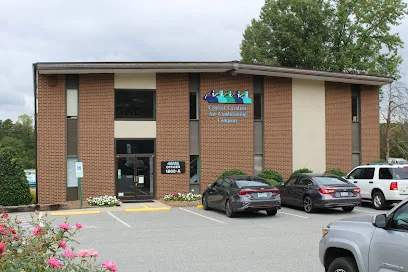
For a Greensboro home, Central Carolina Air Conditioning’s residential services cover maintenance, repairs and equipment replacement. Work at a commercial property belongs with its commercial services group, which also handles projects involving engineering and design-build. The right starting point is the type of property and the job you need, rather than the apparent size of one unit. Central Carolina Air Conditioning provides these distinct service tracks.
Separate home upkeep from an existing fault
The company’s residential maintenance service is offered in the Piedmont Triad. Its scheduled maintenance service treats heating and cooling as separate seasonal tasks. Central Carolina describes visits about six months apart, with one focusing on heating components and the other on cooling components; both include an equipment safety check. Homeowners can arrange this service with or without a service agreement.
That is a different request from getting help when a system is already failing to heat or cool. For a repair, describe what you can observe, such as weak airflow or uneven temperatures, rather than choosing a suspected component failure as the diagnosis. Central Carolina’s residential repair process begins with an evaluation at the home and a written repair estimate before work starts. The evaluation gives the proposed repair a specific problem to address.
A maintenance visit also produces information for later decisions. After the service, the technician goes through a brief report on the system and answers questions about the equipment or work performed. Use that discussion to understand the findings. Keeping the report distinguishes a recorded service observation from a household impression about how the system has been running, without turning a routine visit into an automatic replacement decision.
Treat replacement as an equipment decision
Replacement involves choosing equipment for the home, rather than simply naming a current fault. Central Carolina installs air conditioners, heat pumps, gas furnaces, package systems and mini-split systems. Its residential replacement service includes a consultation, and it separately offers ductwork replacement. These are different parts of defining a project: the equipment choice and the work involving ducts should each have a clear place in the proposed installation.
The company identifies expected equipment life, efficiency, available warranties and maintenance costs as factors in selecting a replacement. Evaluate those together instead of treating the purchase price as the whole decision. A warranty describes coverage under its terms; maintenance costs concern continuing care. Keeping those questions distinct helps you understand what the proposal includes and which expenses or responsibilities belong to owning the equipment afterward.
Commercial service ranges from upkeep to redesign
Its commercial project capabilities include in-house professional engineering, design-build, and designing and installing HVAC systems. A business planning facility work can therefore discuss the project at a stage before installation, rather than approaching it solely as a service call for an existing unit. Those capabilities describe the available project scope; a repair at a commercial property does not automatically require every phase.
The residential website directs commercial customers to CCAC Building Solutions. Its engineering services include systems analysis, load and ventilation calculations, retrofits and upfits. A retrofit involves planning new technology within an existing facility and its equipment; an upfit addresses a space whose structure or layout may change. The design team can review building plans and budget constraints, while ventilation work considers the facility’s population, layout and occupancy schedule. Those are specific project inputs to bring into an engineering discussion.
Commercial upkeep also has its own agreement choices. CCAC Building Solutions’ preventative maintenance agreement provides scheduled visits at a fixed cost but excludes emergency, repair and replacement-part costs. Its Full Labor agreement covers labor to repair, replace and maintain covered equipment, while the customer remains responsible for equipment and parts. The distinction is the expense covered by the agreement, not simply whether maintenance is available.
Match the contact method to the timing
For an urgent residential repair, Central Carolina directs customers to call its office, which advertises assistance 24 hours a day, seven days a week. Its repair request form instead says the office will respond within one business day. That difference matters when choosing how to make contact: a form submission and an emergency telephone request are separate routes, rather than interchangeable ways to seek immediate help.