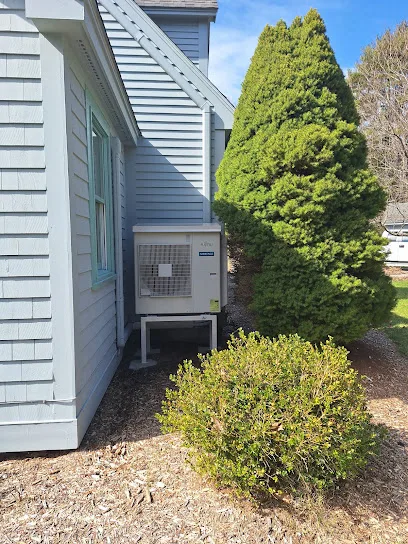
If you’re shopping for HVAC upgrades in Portland, ME, a heat pump can be a major improvement—but only if the system is sized correctly for your home’s heating and cooling load. For many homeowners, the real challenge isn’t finding a contractor; it’s approving the right scope of work so your new heating and cooling system performs as expected.
Casco Bay Heat Pump serves the Greater Portland area and positions its work around careful evaluation and installation quality. If you’re considering them for a residential heat pump installation, here’s a decision guide built around the questions that usually determine whether the project will be a good fit.
Start with your “why”: replace, upgrade, or new construction?
Before you talk equipment, map your goal to the HVAC decision. Heat pumps are often considered when:
Your current heating costs are high and you want a more energy-efficient approach for heating, plus cooling in warmer months.
You’re replacing an aging furnace or other heating equipment and want a modern system that can handle both seasons.
You’re building or renovating and can plan ductwork (or ductless) and thermostat controls from the start.
What to ask in the first call
Request a diagnosis-first conversation: what information they’ll review about your home (insulation level, duct condition, thermostat settings, comfort complaints) and what tests they use to size the system. A credible heat pump quote should connect your property details to the heating and cooling setup, not just recommend a unit name.
How to judge sizing and scope (so you avoid comfort problems later)
Even the right brand of heat pump can underperform if the system is oversized or undersized. That’s why you should look for measurable scope decisions such as:
Load-based sizing (based on your home’s heating and cooling needs)
Indoor airflow planning if you have ducted HVAC, including how air will circulate through living areas
Controls and thermostat strategy so heating and cooling transitions feel stable
Casco Bay Heat Pump emphasizes the idea of surveying your home or business carefully to determine which heat pump system fits your needs. Treat that as a promise you should verify in writing—ask what they examine and how that drives the final installation plan.
Equipment fit: what brands they install and why it matters
One practical question is what equipment they actually plan to install. Casco Bay Heat Pump states that it carries Fujitsu and Mitsubishi heat pumps for installation. If you have a preference (or if your home has constraints like duct access, mounting limitations, or sound considerations), bring that up early so the proposed HVAC solution matches your property.
Also, ask how they handle performance expectations in cold Maine weather—what balance of heat output, backup strategy (if any), and operating modes they expect for your home. A good installer should be able to explain how heating performance is managed season-to-season, not just promise efficiency in ideal conditions.
Service-area reality: confirm where your address falls
Because logistics affect HVAC scheduling, confirm coverage before you invest time in planning. The company lists service across the Greater Portland area, including communities such as Portland, South Portland, Scarborough, Saco, Westbrook, Cape Elizabeth, Old Orchard Beach, Yarmouth, Freeport, Cumberland, Gorham, Gray, Windham, Biddeford, and Falmouth, ME, plus it notes a service radius of about 30 miles from Portland.
Practical verification tip
Send them your ZIP code and ask for a direct “yes/no” on service availability. If the project requires additional coordination (access, protected work windows, permit timing), you want that confirmed up front.
Signals to use when comparing contractors
When you compare providers, look for concrete indicators—not just broad claims. For Casco Bay Heat Pump, a few usable signals from public listings include a 4.8 from 30 reviewers customer rating, a direct phone line at +1 207-808-9629, and an official site at https://www.cascobayheatpump.com/.
Those details help you qualify responsiveness and legitimacy, but you should still compare the written HVAC scope: who performs diagnostics, what equipment is proposed, what’s included in installation labor, and what “success criteria” they expect after commissioning.
What you should get in writing before signing anything
Ask for a clear, written scope that ties the work to your home. At minimum, request:
Equipment model(s) and installation approach (ducted vs. ductless, and indoor unit planning)
Commissioning expectations (how they verify airflow and system operation)
Warranty and maintenance guidance for the installed heat pump system
Rebate-efficiency coordination if you plan to pursue incentives—because paperwork timelines can affect when installation should happen.
If those items are handled clearly, you’ll be able to make a confident HVAC decision. A heat pump install is often a smart upgrade in Portland winters and summer humidity—but only when sizing, equipment selection, and commissioning are treated as part of the HVAC process, not optional extras.