Boston Ductless Systems focuses on ductless heat pump systems (mini-splits), and that’s exactly why the quote should sound specific. Ductless is meant to solve uneven temperatures room-by-room, but only if the installer addresses airflow, controls, and the “right” indoor units for the spaces you’re trying to condition. This article is a practical way to evaluate an install or upgrade plan before work begins.
Before you compare prices, start with the basics you can verify from the company’s public information: Boston Ductless Systems lists a 5.0 rating from 39 reviewers, provides a direct phone line at +1 617-590-3126, and can be reached at 12 Corbett Ave, Dedham, MA 02026. Their official site also describes ductless heat pumps, Mitsubishi systems, and why these systems can deliver quieter operation and multi-stage filtration.
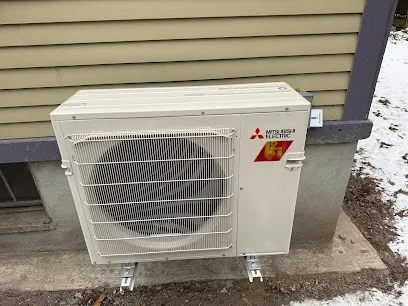
1) Match the quote to your actual rooms (not “the house”)
One of the biggest problems homeowners run into with ductless HVAC is treating it like a single system that fixes everything. Ductless heat pumps work with individual indoor units—each with its own fan and evaporator unit—so the success outcome depends on whether the plan matches the rooms that run too hot or too cold.
In the estimate, ask how they’re deciding placement for indoor heads: which room gets which unit, how the air path will reach the occupied area, and how many zones they’re sizing for. If the quote is vague (for example, “we’ll install a system for your home”), ask them to rewrite the scope as room-by-room outcomes: what each unit is expected to heat and cool, and what temperatures or comfort issues it should address.
2) Confirm how they’ll verify performance after installation
Ductless equipment can be installed correctly and still disappoint if airflow and controls aren’t tuned. A solid contractor should explain what they will check after the mini-split is mounted—things like how the thermostat is configured for each zone, whether the indoor fan ramps appropriately, and whether the system responds as expected when heating mode and cooling mode are tested.
Even if your main goal is cooling, your winters matter. A ductless heat pump is both heating and cooling, so the technician should describe the post-install checks that prove the system actually reaches target temperatures in each zone you’re counting on.
Look for specific “success” statements in the scope
Instead of accepting a line like “installation of ductless heat pump,” ask for a short written checklist: what tests will be performed, what “normal” readings look like, and how they’ll handle any comfort issues discovered during commissioning.
3) Use the estimate to compare comfort details: noise and filtration
Boston Ductless Systems’ website highlights two comfort signals many homeowners care about: multi-stage filtration and quieter operation. Their page notes that ductless air conditioning provides multi-stage filtration designed to help prevent allergens such as pollen and dust from circulating, and it also states that ductless AC can be much quieter than standard window units (with a cited noise range around 20–36 dB versus 48–60 dB for typical window units).
When you receive the quote, don’t just accept the marketing benefits—tie them to the installation plan. Ask how the selected indoor units and airflow settings will support quieter comfort in bedrooms or offices, and what filter strategy you’ll need to maintain after install. Good ductless design is about the daily experience, not just the equipment model number.
4) Ask how the system choices support energy efficiency
The official site also references energy efficiency and notes that inverter technology helps regulate room temperature for efficient energy use. In practice, that means your installer should explain why the recommended indoor/outdoor unit configuration is appropriate for the building’s load and the way you use each zone.
At quote time, request clarity on what drives the equipment selection: how they estimate heating and cooling needs for your rooms, what assumptions they used, and how the design accounts for any difficult spaces (garages, additions, rooms with unusual sunlight, or areas with weak airflow).
5) What to verify before you sign: scope clarity and documentation
Because ductless jobs are typically zone-based, the estimate should be organized so you can compare it to your priorities. At minimum, the quote should clearly separate what’s included for each indoor unit, what’s included for the outdoor component, and what the commissioning/testing portion covers.
Given the practical details—address and phone on file, and the focus on Mitsubishi ductless heat pump systems—make your final decision based on documentation, room-by-room outcomes, and the post-install verification plan you’ll receive.
If a ductless HVAC quote doesn’t explain how the installer will confirm performance in each zone (for both heating and cooling), treat that as a red flag. The best mini-split install is one where the “success outcome” is spelled out before the wall penetrations are made.