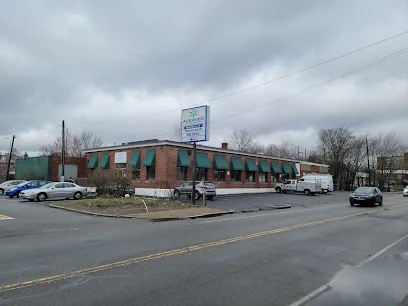
When homeowners call an HVAC contractor after a furnace problem, the fastest path to a confident decision usually starts with one thing: a diagnosis that explains what failed, not just a list of parts. For Automatic Heating Equipment Inc in Providence, RI, the goal of the first conversation should be to connect what you’re seeing (no heat, short cycling, strange noises, or repeated resets) to the furnace component that’s most likely responsible—so the repair scope truly fits.
Below is a practical way to structure that first call and compare repair vs. replacement without getting pushed toward a direction before the facts are clear.
Start with the failure pattern you can describe clearly
If your system is acting “randomly,” it often isn’t random at all. Before the technician arrives, write down the exact behavior: what the thermostat says, whether the blower runs, whether ignition lights or burners behave differently, and how long the furnace runs before shutting down. The “pattern” matters because different failures lead to different fixes.
For example, persistent failure to ignite points toward ignition-related problems and controls, while repeated short cycling can involve airflow restrictions or overheating safety trips. Even if the technician finds multiple issues, the homeowner’s job is to help the diagnosis begin with your observations.
Use the first diagnosis to separate “scope match” from guesswork
A repair is only a good decision when the scope matches the symptoms. Ask the contractor to explain the diagnosis in terms you can verify: which component is failing (control board, igniter, flame sensor, gas valve, burner assembly, limit switch, or similar), what evidence supports that, and what symptoms that component should cause.
Automatic Heating Equipment Inc’s own website emphasizes fast service and technical support, and it also highlights extensive inventories of repair and hard-to-find parts in New England. That matters because part availability can affect turnaround time and whether a repair can be executed promptly rather than delayed pending an order.
Questions that keep the diagnosis grounded
During the estimate discussion, homeowners should be able to get answers to questions like: “What exactly failed, and what test confirmed it?” and “What else could produce the same symptom pattern?” If the explanation stays vague—without tests, measurements, or a clear link between symptoms and components—request clarification before authorizing work.
When repair is reasonable vs. when replacement enters the conversation
Replacement usually becomes more attractive when the repair plan involves major recurring components, multiple failures tied to aging equipment, or the technician expects that restoring comfort will require a broader rebuild rather than a targeted fix.
That’s why the estimate should include a straightforward breakdown: what will be replaced or adjusted, what it costs, and what the likely outcome is for the symptom you’re dealing with. If the furnace must be repaired in stages, ask what would make the next stage less likely—such as addressing airflow problems, ensuring correct combustion, or resolving thermostat or duct constraints that contribute to the failure cycle.
Also, ask the contractor to consider practical economics. If your system is older, evaluate total repair cost against the cost of replacement using your comfort needs (how many rooms feel uneven, how often the system cycles, and whether outages are becoming more frequent).
Concrete details to verify before you approve the work
For this Providence HVAC option, public signals include a listed phone number at +1 401-521-8877, an address reference of 400 Charles St, Providence, RI 02904, and an official website at http://autoheatri.com/. The site also states “fast, same day service,” and it describes “over forty years” of experience and a broad parts inventory.
Use those signals as context, not assumptions. Before authorizing repairs, confirm the items that affect your decision: whether the proposed work addresses the specific failure pattern you reported, whether any additional components are likely to be found on inspection, and whether the service plan includes a follow-up check that verifies heating performance and safe operation.
Make the first call count
The best “repair vs. replace” outcome usually comes from a first visit that turns your symptoms into testable conclusions. If Automatic Heating Equipment Inc can explain what failed, demonstrate how the fix aligns with your specific heating problem, and outline what success looks like after the work, you’ll be able to choose confidently—whether that means a targeted furnace repair or starting the replacement conversation early.